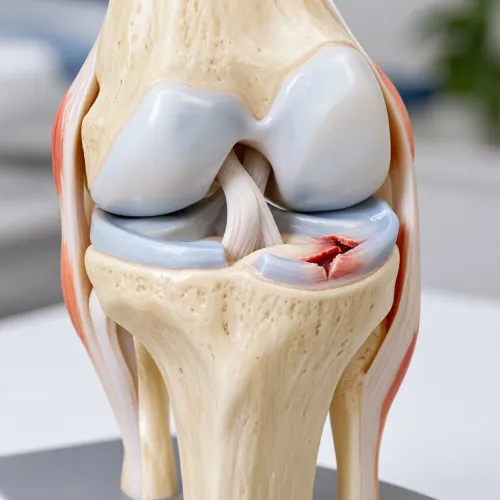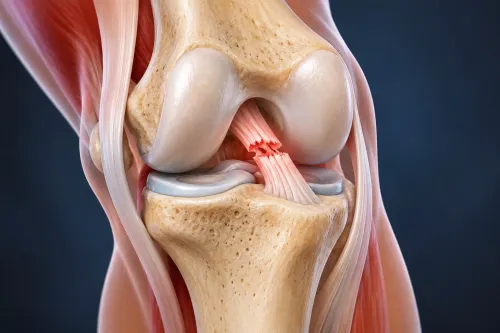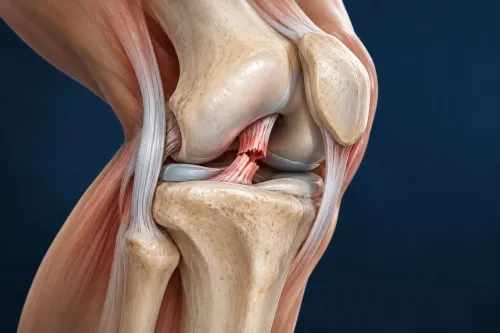
Knee cartilage allows joint surfaces to move smoothly while distributing load during walking and activity. When a focal area of cartilage is damaged, patients may experience pain, swelling, catching and reduced confidence during exercise. Cartilage repair knee surgery may be considered in selected patients when the damage is suitable for a restorative procedure.
This approach is particularly relevant to some active patients in Andheri and other parts of Mumbai, Maharashtra, who have a localised cartilage defect rather than widespread advanced arthritis.
Focal Cartilage Damage Is Different From Advanced Arthritis
A focal cartilage injury affects a defined area of the joint surface. Advanced osteoarthritis usually involves broader degenerative changes.
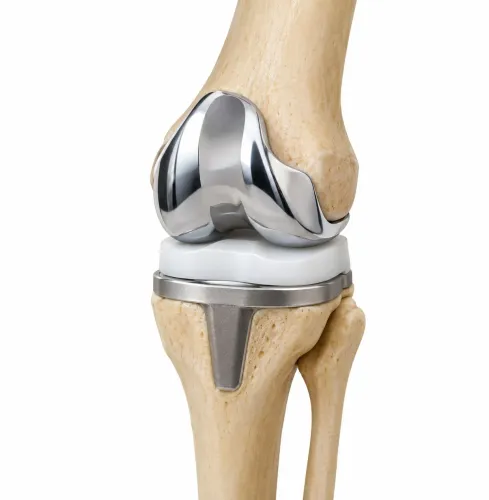
This distinction matters because cartilage restoration techniques are designed for carefully selected defects. They are not interchangeable with knee replacement and may not be appropriate when degeneration is extensive.
Assessment may include examination, X-rays and MRI imaging to determine lesion size, location, bone condition, alignment and associated ligament or meniscus problems.
What Surgical Options May Be Considered
The appropriate technique depends on the cartilage defect and patient characteristics.
Possible approaches may include bone marrow stimulation techniques, osteochondral procedures and other cartilage restoration methods. Associated problems such as instability or abnormal alignment may also need consideration because untreated mechanical factors can continue overloading the repaired area.
Who May Be a Suitable Candidate
Cartilage repair may be evaluated in patients who have:
- A symptomatic focal cartilage defect
- Persistent symptoms despite rehabilitation
- Appropriate joint alignment
- Adequate ligament stability
- Realistic activity expectations
- Limited widespread arthritis
Age, body weight, defect characteristics and previous operations can influence treatment selection.
Recovery Requires Protection and Progression
Cartilage procedures can require a structured rehabilitation period because repaired tissue needs protection while healing develops.
Weight-bearing may be restricted depending on the defect location and technique. Physiotherapy then progresses through movement restoration, muscle activation, strengthening and functional training.
Return to high-impact activity can take considerably longer than simple arthroscopic recovery. Patients should therefore understand the rehabilitation commitment before choosing treatment.
Potential Benefits
The aim of cartilage repair knee surgery is to address a symptomatic cartilage defect while preserving the native joint where clinically appropriate.
Potential benefits can include reduced symptoms and improved function. Outcomes vary according to lesion characteristics, joint health, rehabilitation and individual biological factors.
Risks and Limitations
Risks include infection, stiffness, blood clots, continued pain and failure of the repaired area to provide the expected improvement. Additional surgery may occasionally become necessary.
Cartilage restoration also cannot guarantee prevention of future arthritis.
Preparing Before Surgery
Preoperative planning should identify all factors affecting the damaged area. Patients may need to improve muscle strength, reduce swelling and modify activities before treatment.
Smoking status, body weight, medical conditions and medication use should also be discussed because they can influence surgical planning and recovery.
Dr. Ronak Kothari evaluates cartilage injuries within the context of the entire knee rather than treating the cartilage defect as an isolated MRI finding.
Frequently Asked Questions
Is cartilage repair the same as knee replacement
No. Cartilage repair aims to preserve the existing knee in selected patients. Knee replacement addresses more extensive joint surface damage.
Can cartilage grow back completely
Healing depends on the technique and biological response. The type and quality of repair tissue can vary.
When can sports resume
Return depends on the procedure, defect, healing and functional progress. Higher-impact activities generally require a gradual rehabilitation programme.
For appropriate patients in Andheri, cartilage repair knee surgery can form part of a knee-preservation strategy. Careful selection is essential because the best procedure is determined by the cartilage defect, overall joint condition and realistic long-term activity goals.
Keywords