When persistent knee pain affects mobility, patients naturally want treatment with a strong likelihood of improvement. Searches for high success rate knee surgery often reflect a deeper concern about whether an operation will genuinely improve pain, stability and daily function.
For patients in Powai and across Mumbai, Maharashtra, success should be understood in measurable clinical terms rather than through a single percentage or promotional claim.
Define What Successful Treatment Means
Success is not identical for every knee condition.
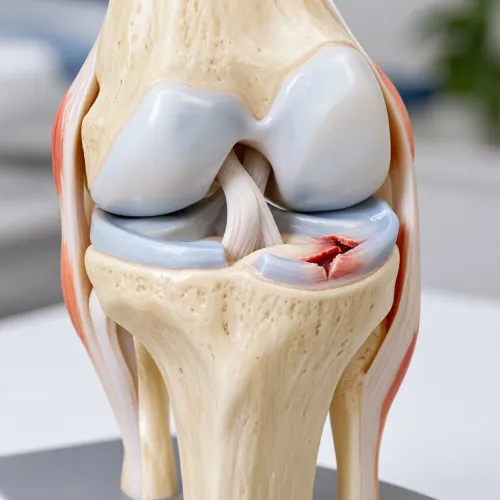
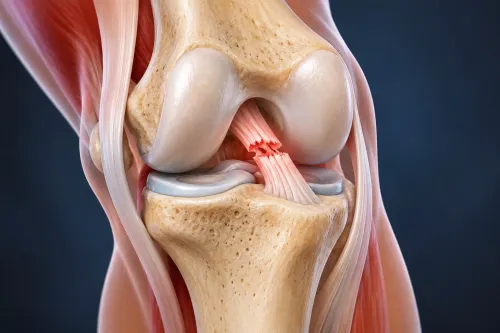
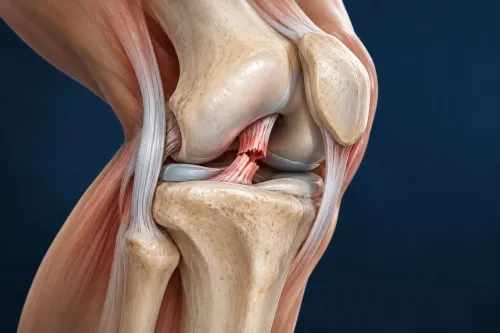
For someone undergoing ACL reconstruction, success may mean restored stability and a safe return to demanding activity. Following meniscus repair, preserving functional tissue may be a major objective.
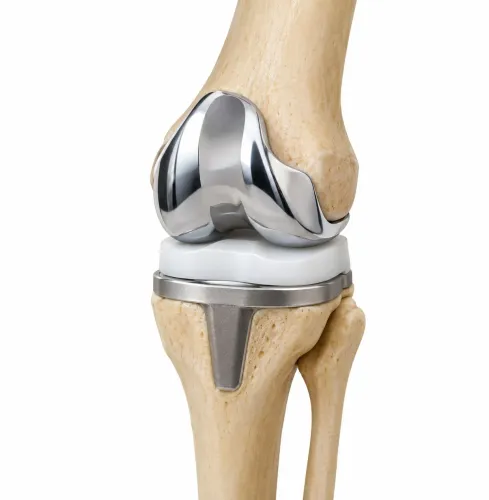
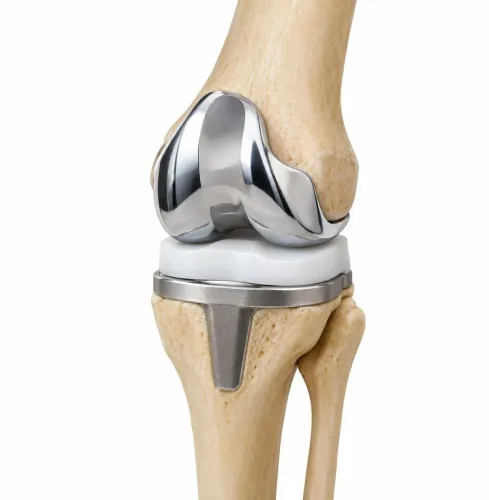
For a patient with advanced arthritis, knee replacement may aim to reduce pain and improve everyday mobility.
Before considering outcome statistics, patients should therefore ask what the treatment is intended to achieve.
Diagnosis Strongly Influences Results
Even technically well-performed surgery may disappoint when the original source of symptoms has not been correctly identified.
A thorough assessment can include:
- Detailed symptom history
- Physical examination
- Walking and alignment assessment
- X-rays
- MRI when indicated
- Review of previous treatment
- Evaluation of medical conditions
- Discussion of activity expectations
This is particularly important when several knee abnormalities appear on imaging.
Patient Selection Matters
A procedure that works well for one condition may be inappropriate for another.
Knee arthroscopy, ligament reconstruction, cartilage repair and joint replacement all have distinct indications.
Choosing surgery because it is newer, minimally invasive or technologically advanced does not automatically produce a better outcome. The procedure must match the patient's actual pathology.
Surgical Planning and Technology
Modern planning tools can assist with selected knee procedures. Robotic-assisted systems, for example, may support planning and execution during certain joint replacement operations.
Technology should complement surgical judgement, anatomy assessment and an appropriate rehabilitation plan.
Patients evaluating claims about high success rate knee surgery should ask how the proposed technology changes their individual treatment rather than assuming that a machine guarantees an outcome.
Recovery Compliance Influences Function
Surgery creates the structural conditions for recovery, but rehabilitation helps translate those changes into useful movement.
Depending on the procedure, recovery may involve:
- Swelling management
- Range-of-motion exercises
- Progressive strengthening
- Walking retraining
- Balance exercises
- Activity-specific rehabilitation
- Functional testing before sports
Ignoring restrictions or returning to high-load activity prematurely can compromise recovery.
Consider Risks Alongside Expected Benefits
No knee operation has a guaranteed outcome.
Potential complications vary by procedure but may include infection, blood clots, stiffness, persistent pain, nerve injury, graft problems, implant complications and need for further treatment.
A credible consultation should explain meaningful risks alongside expected benefits.
What to Ask Before Scheduling Surgery
Patients can ask the surgeon:
- What exactly is causing my symptoms?
- What happens if I continue non-surgical treatment?
- Why is this procedure appropriate for my knee?
- What improvement is realistically expected?
- What are the important risks?
- How long will rehabilitation take?
- What activities will be restricted?
- How will progress be measured?
Dr. Ronak Kothari evaluates knee surgery decisions using the patient's diagnosis, joint condition, functional limitations and treatment goals, helping establish realistic expectations before a procedure is selected.
Frequently Asked Questions
Can any surgeon guarantee a successful knee operation
No responsible treatment plan can guarantee a particular outcome. Results depend on diagnosis, procedure selection, surgical factors, health and rehabilitation.
Does robotic surgery guarantee better results
Robotic assistance can support selected aspects of planning and surgical execution, but it does not guarantee a specific result.
Does younger age always mean better recovery
Not necessarily. Joint condition, injury type, health, strength and rehabilitation participation also influence recovery.
How should patients judge treatment quality
Look for a clear diagnosis, appropriate procedure selection, explanation of alternatives, transparent discussion of risks and a structured recovery plan.
For patients in Powai researching high success rate knee surgery, percentages alone provide an incomplete picture. A more meaningful measure of quality is whether the diagnosis is accurate, the procedure fits the condition, expectations are realistic and rehabilitation is planned as carefully as the operation itself.
Keywords