A knee that repeatedly gives way can affect far more than sports performance. Instability may make running, turning, descending stairs and even walking on uneven surfaces difficult. When a major knee ligament has been significantly damaged, ligament reconstruction surgery may be considered to restore functional stability.
People in Lalbaug and across Mumbai, Maharashtra, may experience ligament injuries after football, cricket, running accidents, road injuries and sudden twisting movements.
Why Knee Ligaments Matter
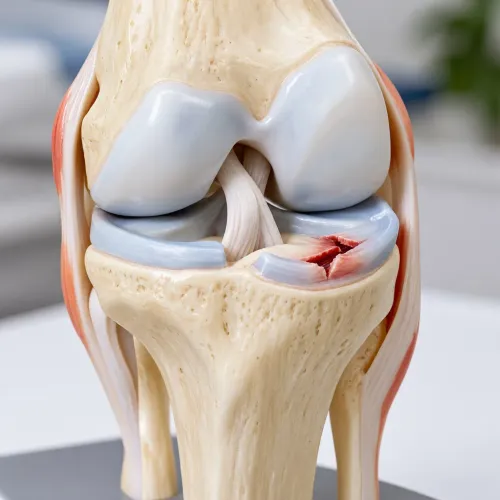
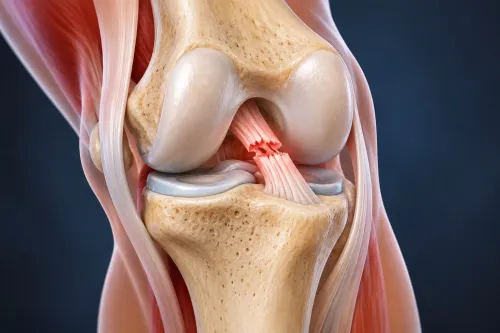
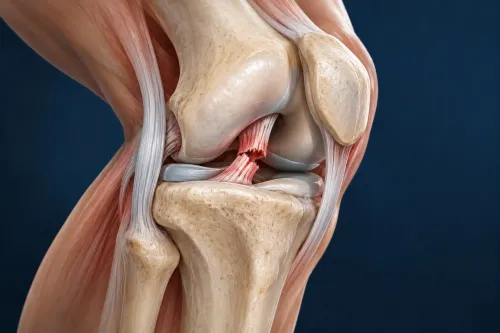
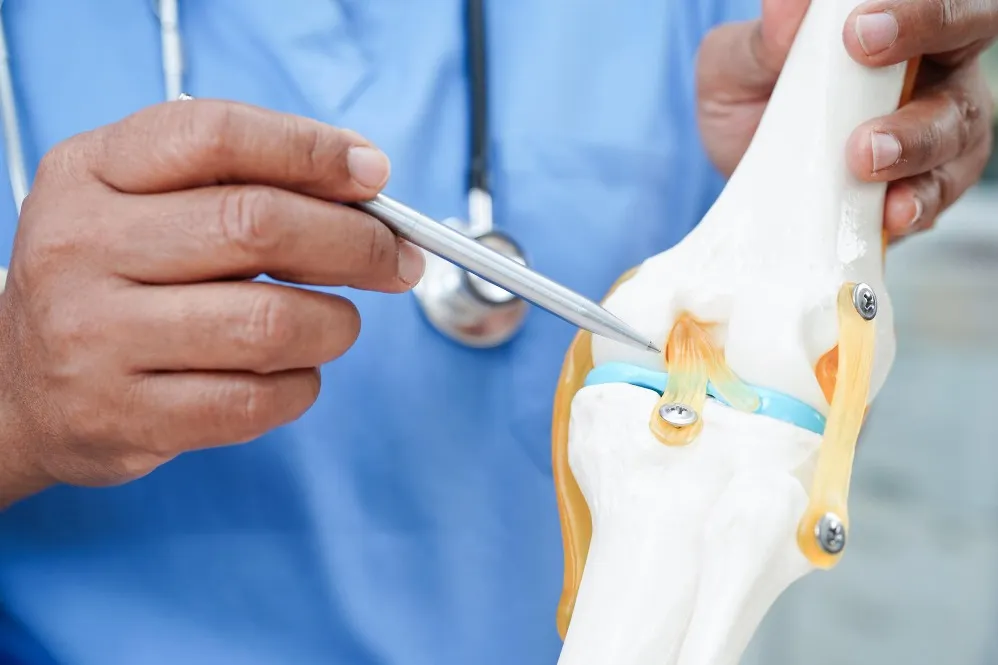
Ligaments help control joint movement and keep the knee stable. Major structures include the anterior cruciate ligament, posterior cruciate ligament, medial collateral ligament and lateral collateral ligament.
Not every ligament injury requires reconstruction. Partial injuries and certain isolated tears may respond to bracing, physiotherapy and activity modification.
Surgical reconstruction becomes more relevant when instability persists, the ligament is completely torn, multiple structures are injured or the patient wishes to return to activities that demand reliable pivoting and knee control.
What Reconstruction Involves
Reconstruction generally involves replacing the damaged ligament with a graft. Depending on the injury and patient, graft tissue may come from an appropriate tendon or another suitable source.
The surgeon creates bone tunnels or fixation points according to the ligament being reconstructed. The graft is positioned to reproduce the function of the injured ligament as closely as possible.
Associated meniscus and cartilage injuries may also need attention during the procedure.
Rehabilitation Is Part of the Treatment
Successful recovery depends on much more than the operation itself. Rehabilitation helps restore movement, strength, balance and neuromuscular control.
Early rehabilitation may focus on:
- Reducing swelling
- Regaining knee extension
- Improving controlled bending
- Activating the quadriceps
- Restoring safe walking
Later phases introduce progressive strengthening, balance training and activity-specific exercises. Return to demanding sports usually requires objective assessment rather than relying only on the number of months since surgery.
Benefits of Restoring Stability
The primary objective is to create a stable, functional knee. Improved stability may help patients return to desired activities and reduce repeated episodes of giving way.
Reconstruction cannot guarantee that future knee injuries or degenerative changes will never occur. Protecting the meniscus, maintaining strength and following rehabilitation remain important.
Risks and Limitations
Possible risks include infection, stiffness, blood clots, graft failure, persistent instability, pain, reduced movement and complications associated with fixation or anaesthesia.
A reconstructed ligament can also be injured again, particularly during premature return to pivoting sports.
Preparing for Reconstruction
Significant swelling and restricted movement may need to improve before surgery. Prehabilitation can be used to restore motion and quadriceps activation.
Patients should also discuss work requirements, sports goals and previous injuries with their surgeon. These details influence surgical and rehabilitation planning.
Dr. Ronak Kothari evaluates ligament injuries using clinical stability testing and relevant imaging before determining whether rehabilitation alone or ligament reconstruction surgery is appropriate.
Frequently Asked Questions
Does every complete ligament tear need surgery
No. Treatment depends on the ligament involved, instability, associated injuries, activity level and patient goals.
Can sports activity resume after reconstruction
Many patients aim to return to sports, but readiness should be based on healing, strength, balance, functional testing and medical assessment.
Why does rehabilitation take time
A reconstructed ligament requires biological healing while muscles and movement patterns need progressive retraining.
For patients in Lalbaug with recurring knee instability, the most useful question is not simply whether a ligament is torn. The decision should focus on how much instability the injury creates and which treatment approach can safely support the patient's long-term mobility goals.
Keywords