Patients considering knee replacement naturally want to return to walking and independent daily activities as efficiently as possible. This has increased interest in faster recovery knee replacement, but recovery is not determined by one implant, one machine or one surgical technique.
For patients in Parel and other parts of Mumbai, Maharashtra, a smoother recovery generally results from coordinated preparation, appropriate surgical planning, pain management, early mobilisation and structured rehabilitation.
Recovery Begins Before the Operation
Preoperative health can influence postoperative progress. Patients may benefit from improving muscle strength, controlling existing medical conditions and preparing their home for the early recovery period.
Useful preparation may include:
- Practising prescribed strengthening exercises
- Managing diabetes and blood pressure appropriately
- Reviewing medication with the treating team
- Planning transport after discharge
- Removing common trip hazards at home
- Arranging temporary support when needed
These steps can make the transition from hospital to home more manageable.
Surgical Planning Can Support Early Mobility
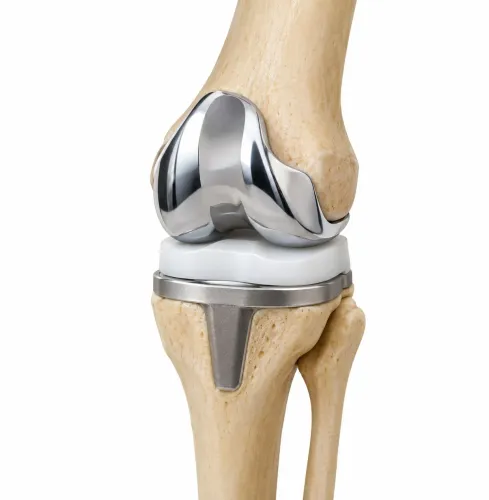
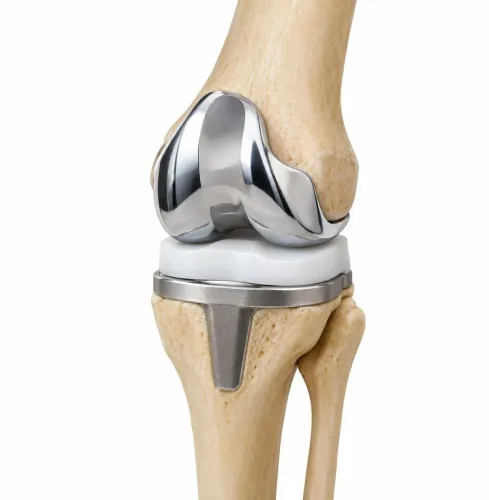
Modern knee replacement aims to restore functional alignment and stable joint movement while limiting unnecessary tissue trauma.
Robotic-assisted planning can be used in selected patients to provide detailed information during bone preparation and implant positioning. However, robotic technology by itself does not guarantee faster recovery.
The patient's health, surgical complexity and rehabilitation remain highly influential.
Pain Management Supports Movement
Pain control is important because patients need to participate in early movement and physiotherapy.
Modern perioperative pathways can use multiple methods of pain management rather than relying on one medication alone. The exact approach depends on individual medical circumstances.
The goal is manageable discomfort that allows safe participation in recovery, not a promise of complete absence of pain.
Early Movement Has an Important Role
Many knee replacement pathways encourage assisted standing and walking relatively early when medically appropriate.
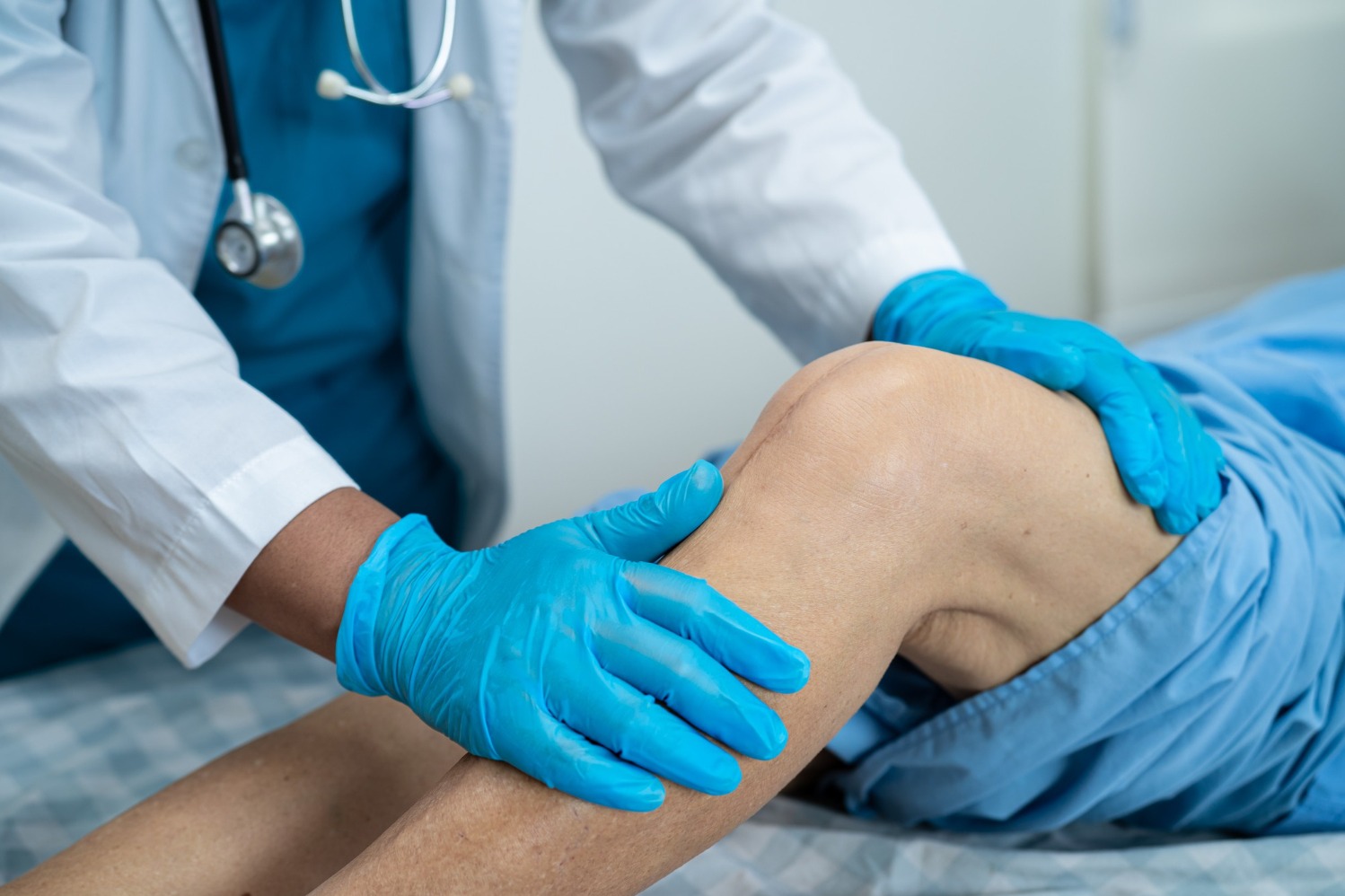
Early mobilisation can support circulation, muscle activation and confidence. It should still take place with appropriate supervision.
Patients should not compare their first few days with another person's recovery. Swelling, strength and walking ability vary widely.
What the First Few Weeks May Involve
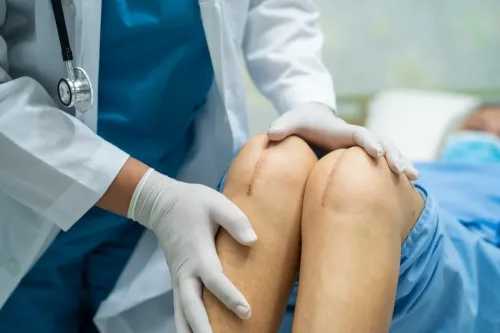
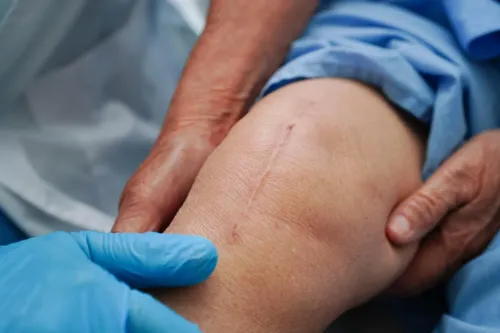
Home recovery commonly includes wound care, prescribed exercises, walking practice and gradual increases in activity.
Patients may notice day-to-day fluctuations. Swelling can temporarily increase after activity and then improve with appropriate management.
Physiotherapy focuses on knee movement, muscle control and progressively improving functional tasks.
Benefits and Risks Remain Important
A structured recovery pathway may help patients regain independence efficiently and reduce unnecessary delays in rehabilitation.
Knee replacement nevertheless remains major surgery. Risks can include infection, blood clots, stiffness, bleeding, persistent discomfort, implant problems and medical complications.
Faster should never mean unsafe.
Dr. Ronak Kothari considers preoperative health, knee anatomy, surgical requirements and rehabilitation needs when planning knee replacement treatment.
Frequently Asked Questions
How soon can walking begin
Assisted walking often starts relatively early when the patient's condition permits. The treating team determines the appropriate timing.
Does robotic surgery automatically shorten recovery
No. Robotic assistance can support planning and surgical execution in selected cases, but recovery depends on many patient and treatment factors.
When can work resume
It depends on the type of work, individual progress and postoperative assessment. Desk-based work and physically demanding occupations have different requirements.
Can rehabilitation be accelerated aggressively
Rehabilitation should progress according to healing and function. Excessive activity can increase pain and swelling rather than improve recovery.
For patients in Parel researching faster recovery knee replacement, the most useful approach is to focus on the entire care pathway. Good preparation, appropriate surgery, safe pain control and consistent rehabilitation work together to support efficient functional recovery.
Keywords