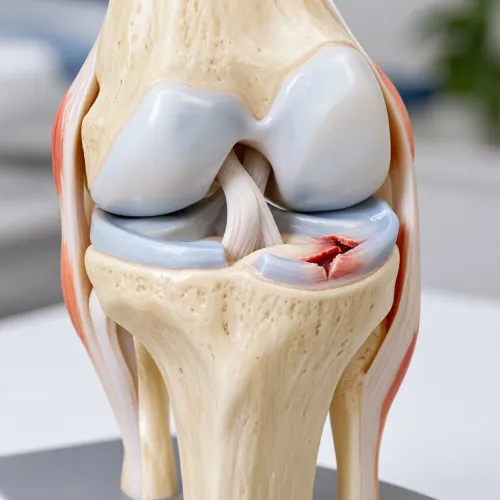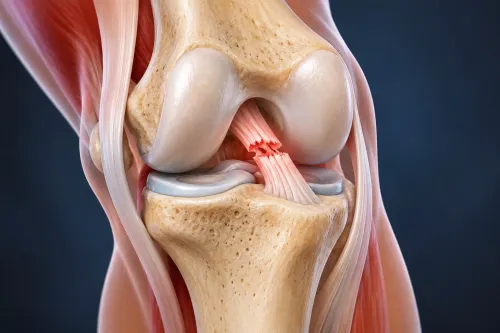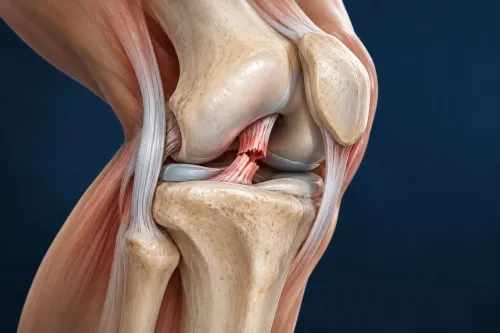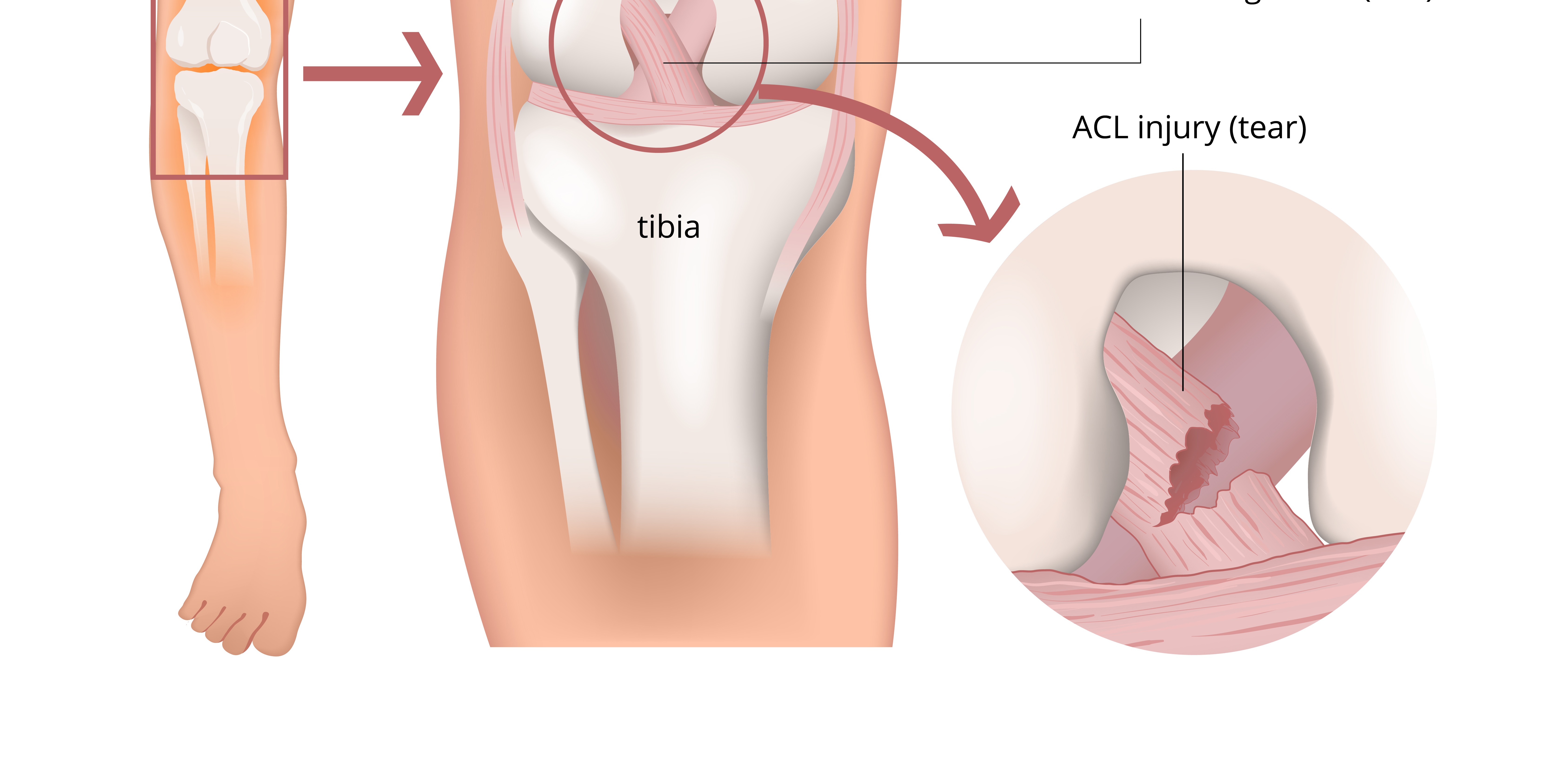
An ACL tear often happens within seconds, yet its effect on knee confidence can continue for months. A sudden change of direction, awkward landing or twisting injury can damage the anterior cruciate ligament and leave the knee feeling unstable. ACL reconstruction surgery is one treatment option when functional instability remains significant.
Active individuals in Lower Parel and elsewhere in Mumbai, Maharashtra, frequently want to know whether an ACL tear can heal with rehabilitation alone and when reconstruction becomes relevant.
What an ACL Tear Feels Like
Some people hear or feel a pop at the time of injury. Swelling can develop quickly, and the knee may become difficult to bend.
After the initial symptoms settle, the main problem can become instability. The knee may give way during turning, running, jumping or sudden directional changes.
An MRI can help identify the ACL injury and associated damage, but treatment decisions should also consider physical examination and functional requirements.
When Reconstruction May Be Recommended
ACL reconstruction may be considered when:
- Repeated instability continues
- The patient participates in pivoting sports
- Work requires demanding knee movements
- Meniscus damage accompanies the ACL injury
- Other knee ligaments are injured
- Rehabilitation has not provided sufficient functional stability
Some patients with lower physical demands can function effectively with structured rehabilitation, making individual assessment essential.
How ACL Reconstruction Is Performed
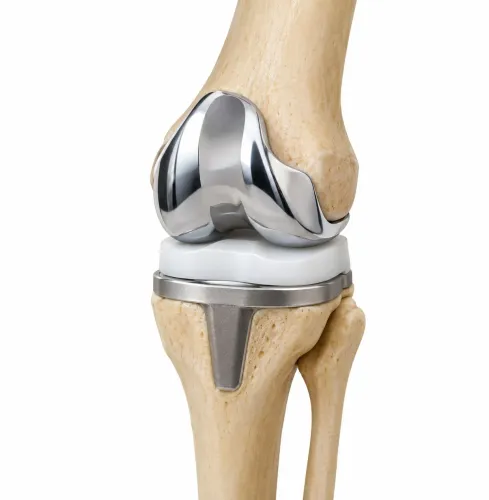
The damaged ACL is generally reconstructed using graft tissue. Common graft choices can involve hamstring, patellar or quadriceps tendon tissue, depending on clinical circumstances and surgeon assessment.
Arthroscopic techniques are commonly used to position and secure the graft.
The objective is to restore stability while allowing the reconstructed ligament to heal and integrate over time.
Recovery and Return to Activity
Early rehabilitation focuses on swelling control, knee extension, bending and muscle activation. Walking is gradually normalised according to medical and physiotherapy guidance.
Strengthening then becomes increasingly important. Later rehabilitation may include running progression, jumping mechanics, agility exercises and sports-specific drills.
Returning to sport should not be rushed simply because pain has disappeared. Strength symmetry, movement quality, confidence and functional testing can all contribute to return-to-sport decisions.
Benefits and Risks
The expected benefit is improved functional knee stability. This can help patients participate more confidently in activities requiring changes of direction.
Potential risks include infection, stiffness, blood clots, persistent instability, graft re-injury, anterior knee discomfort, weakness and anaesthesia-related complications.
No surgical technique can completely remove the possibility of future injury.
Preoperative and Postoperative Care
Before surgery, reducing swelling and restoring movement can be useful. Patients may receive exercises designed to improve quadriceps function.
After surgery, wound care, prescribed medication and structured physiotherapy are central parts of treatment. Exercises should progress according to healing rather than pain tolerance alone.
Dr. Ronak Kothari assesses ACL injuries in relation to knee stability, associated meniscus damage, activity requirements and long-term functional goals.
Frequently Asked Questions
Can someone walk with a torn ACL
Many people can walk once initial pain and swelling decrease, but walking ability does not necessarily mean the knee has adequate stability for demanding activities.
Is an MRI enough to decide on surgery
MRI findings are important, but symptoms, clinical stability tests, associated injuries and activity expectations also matter.
When can running begin
Running is introduced at an appropriate rehabilitation stage after adequate healing, strength and movement control have developed.
Patients in Lower Parel considering ACL reconstruction surgery should view the procedure and rehabilitation as one connected treatment pathway. Restoring stability is important, but rebuilding strength and movement control is equally critical for a safe return to demanding activity.
Keywords