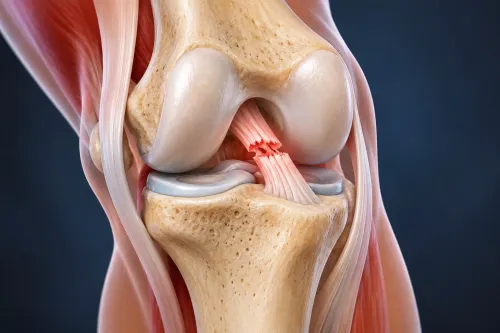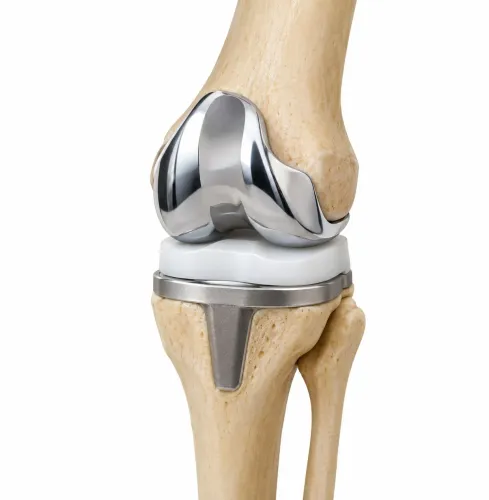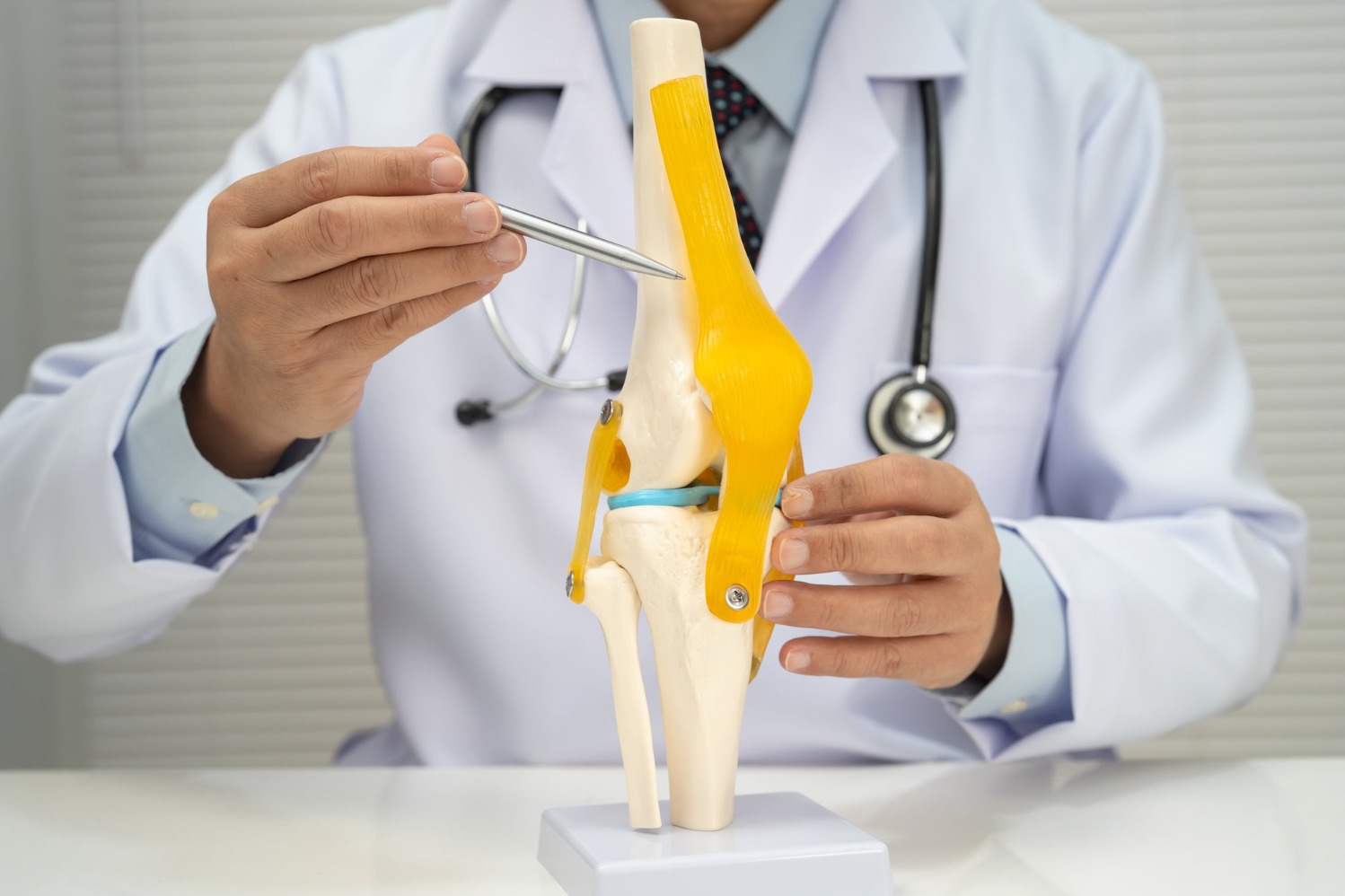
Some knee conditions cannot be managed through a standard treatment pathway. Previous surgery, severe deformity, multiple ligament damage, major bone loss, complicated arthritis and combined cartilage injuries can make decision-making considerably more demanding. In these situations, choosing a complex knee surgery specialist requires careful evaluation.
Patients in Dadar and across Mumbai, Maharashtra, should look beyond a single qualification or technology claim and focus on how thoroughly the knee problem is assessed.
What Makes a Knee Condition Complex
Complexity can arise from the condition itself or from previous treatment.
Examples include:
- Severe knee deformity
- Previous unsuccessful knee procedures
- Multiple ligament injuries
- Significant bone loss
- Combined meniscus and cartilage damage
- Stiffness following previous surgery
- Difficult joint replacement situations
- Unusual alignment problems
A complex case may require detailed imaging, additional medical evaluation and a treatment plan that accounts for several interacting problems.
Look for Diagnosis Before Procedure Selection
A useful specialist assessment should establish why the knee is painful and which structures are contributing to disability.
The consultation may include gait assessment, joint movement, ligament stability, alignment and previous surgical history. X-rays, MRI scans and other imaging can then be interpreted within that clinical context.
Patients should be cautious about choosing a procedure solely because it is described as advanced, robotic or minimally invasive.
Technology should support a sound clinical plan rather than replace one.
Questions Worth Asking During Consultation
Patients can ask:
- What is the main cause of my symptoms?
- Are several knee structures involved?
- Is non-surgical treatment still reasonable?
- Can any part of my natural knee be preserved?
- What procedure is being proposed?
- What are the major risks in my specific case?
- What rehabilitation will be required?
- What happens if surgery does not provide the expected improvement?
Clear answers can make treatment decisions easier to understand.
Surgical Planning Matters
Complex procedures may require careful assessment of alignment, bone quality, implant needs and soft-tissue balance.
In selected joint replacement cases, robotic-assisted planning may provide additional information about anatomy and component positioning. Its suitability depends on the operation and clinical situation.
Recovery Can Differ From Routine Cases
Recovery following complex surgery may be less predictable than recovery after a straightforward procedure.
Previous scar tissue, muscle weakness, deformity and the extent of reconstruction can influence progress. Rehabilitation therefore needs to be individualised.
Some patients may require walking aids for a period, followed by progressive mobility and strengthening.
Understand Benefits Without Expecting Guarantees
The purpose of complex knee surgery may be to reduce pain, improve stability, correct deformity or restore useful mobility.
The exact objective should be defined before surgery. Not every knee can be returned to completely normal function, particularly after severe structural damage.
Potential risks include infection, stiffness, blood clots, persistent pain, instability, nerve injury, implant-related complications and the possibility of additional treatment.
Preparing for a Specialist Assessment
Patients should bring previous X-rays, MRI scans, operation notes, implant information and a current medication list when available. This can help create a more complete picture of previous treatment.
Dr. Ronak Kothari assesses difficult knee conditions with attention to previous procedures, joint structure, alignment, functional limitations and realistic treatment goals.
Frequently Asked Questions
Does a complicated knee always require surgery
No. The decision depends on symptoms, structural damage, previous treatment and functional limitations.
Is robotic technology essential for every difficult knee
No. It is one tool that may support selected procedures. Appropriate diagnosis and surgical planning remain fundamental.
Should previous records be reviewed
Yes. Previous imaging and surgical records can provide valuable information in complex cases.
For someone in Dadar choosing a complex knee surgery specialist, the quality of assessment matters as much as the procedure itself. A carefully explained plan should clarify the diagnosis, alternatives, expected recovery and meaningful risks before treatment begins.
Keywords