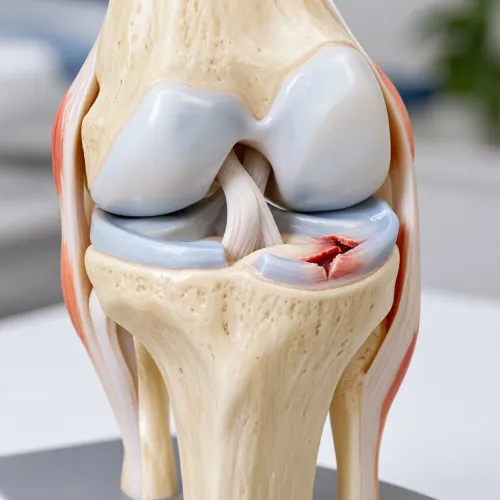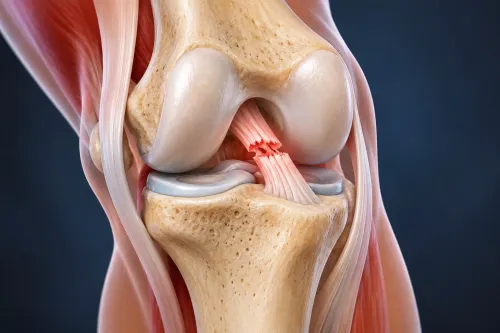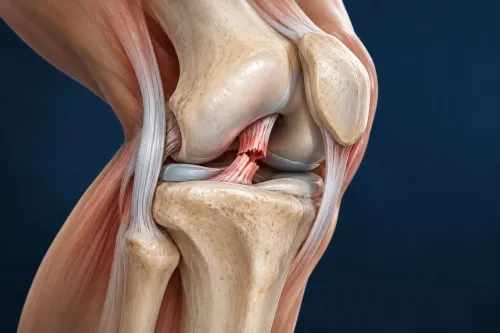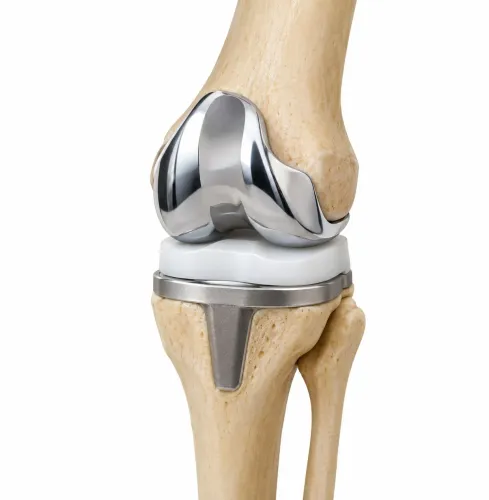
Knee pain does not automatically mean knee replacement is the next step. Many patients have early arthritis, alignment problems, meniscus injuries, cartilage defects or ligament instability that may be managed using knee preservation treatment.
For active adults in Ghatkopar and across Mumbai, Maharashtra, preservation strategies are particularly relevant when enough healthy joint structure remains to justify maintaining the natural knee.
What Knee Preservation Means
Knee preservation is an individualised approach rather than one specific procedure. Its purpose is to maintain useful native joint tissue and improve function when clinically appropriate.
The treatment plan depends on the source of pain. Someone with weak muscles and early degenerative changes needs a different approach from a patient with ligament instability and focal cartilage damage.
Non-Surgical Preservation Strategies
Many preservation programmes begin conservatively.
Options may include:
- Targeted physiotherapy
- Muscle strengthening
- Weight management
- Activity modification
- Appropriate medication
- Selected injection therapies
- Movement and biomechanical assessment
The aim is to reduce unnecessary stress on damaged structures while maintaining strength and mobility.
When Surgery May Still Preserve the Knee
Joint preservation can also involve surgery without replacing the entire knee.
Depending on the condition, this may include meniscus repair, ligament reconstruction, cartilage restoration and selected alignment-correcting procedures.
The key principle is to address the mechanical problem contributing to symptoms while retaining viable joint structures.
Who May Benefit
Preservation treatment may be relevant for patients with:
- Early-stage joint degeneration
- Localised cartilage defects
- Repairable meniscus injuries
- Ligament instability
- Certain alignment problems
- Activity-related knee pain without end-stage arthritis
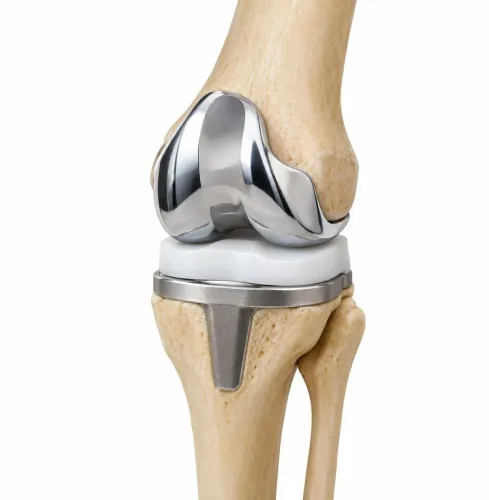
Patients with severe widespread cartilage loss may eventually benefit more from joint replacement. Preservation should not become a reason to postpone an appropriate replacement indefinitely when quality of life is severely affected.
Recovery Depends on the Chosen Strategy
Non-surgical rehabilitation may produce gradual improvement over several weeks or months.
Surgical preservation procedures have different recovery timelines. Meniscus repair, cartilage restoration and ligament reconstruction each require distinct rehabilitation protocols.
Following the correct restrictions is especially important because feeling comfortable does not always mean internal tissues have completed biological healing.
Benefits of Preserving the Natural Joint
When appropriately selected, knee preservation may help maintain native anatomy, support activity and postpone more extensive surgery.
It can also provide younger patients with treatment options that address specific structural problems rather than immediately moving toward joint replacement.
The expected benefit should always be weighed against the severity of existing joint damage.
Risks and Treatment Limitations
Non-surgical treatment may not sufficiently control symptoms in advanced disease. Surgical preservation carries procedure-specific risks such as infection, stiffness, blood clots, persistent pain and incomplete improvement.
Further treatment may be required if degeneration progresses.
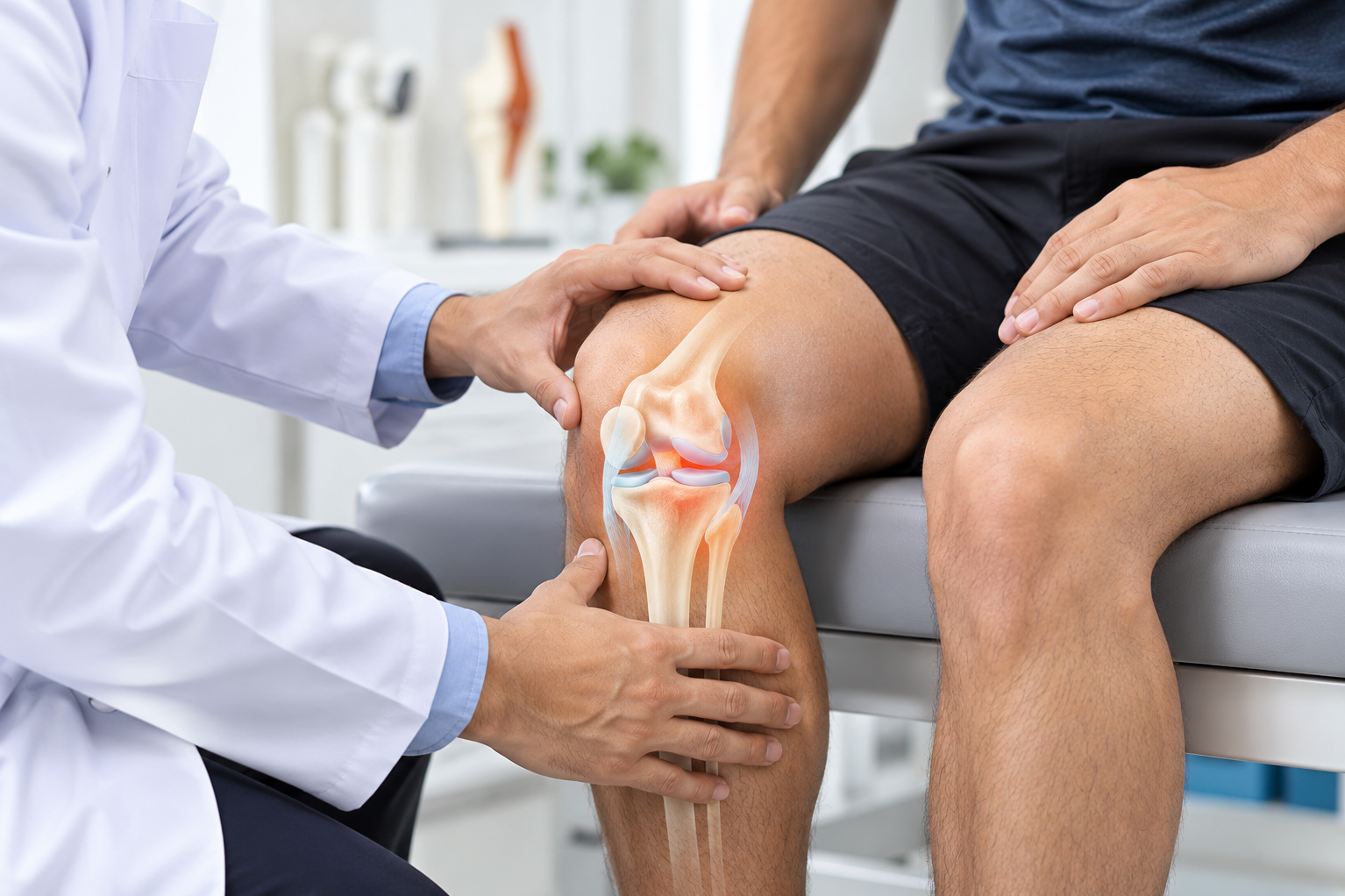
Dr. Ronak Kothari assesses alignment, cartilage condition, ligament stability, meniscus health, symptoms and activity expectations when evaluating knee preservation treatment.
Frequently Asked Questions
Can preservation treatment prevent knee replacement forever
It cannot guarantee that replacement will never become necessary. The aim is to preserve useful joint function when the condition remains suitable.
Is preservation only for young patients
Age matters, but biological joint condition, symptoms, activity level and pattern of damage can be equally important.
How is the right treatment selected
Clinical examination and appropriate imaging help identify the structure responsible for symptoms and whether joint-preserving management is realistic.
For patients in Ghatkopar, knee preservation treatment can provide a valuable middle path between ignoring persistent symptoms and proceeding directly to major surgery. The important step is identifying which joint structures remain healthy enough to preserve and which problems need active treatment.
Keywords