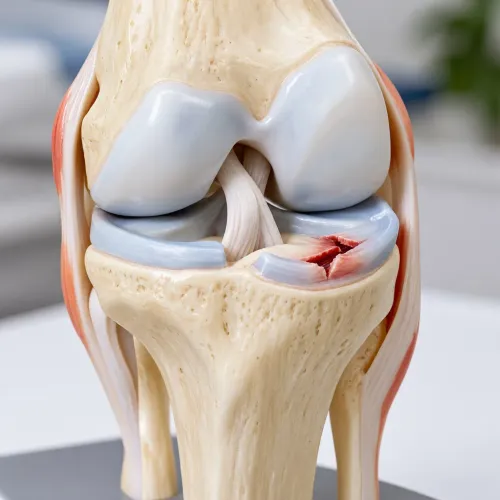
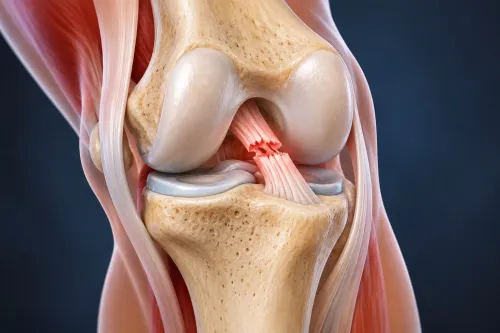
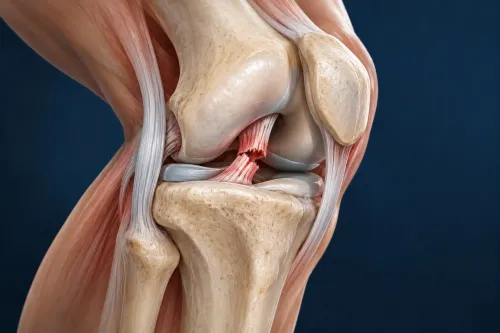
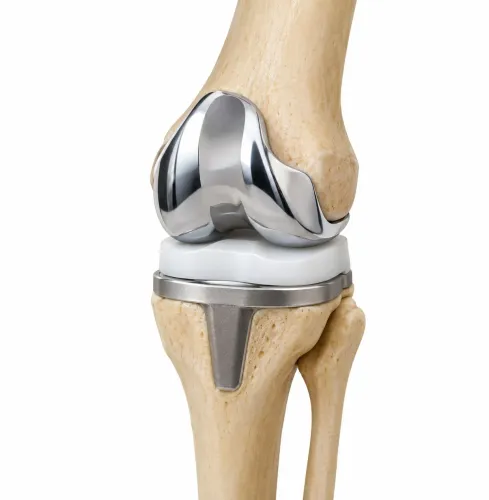
Being advised to undergo Arthroscopic Knee Surgery can feel overwhelming, especially if you've never had a surgical procedure before. Fortunately, arthroscopy is a minimally invasive technique used to diagnose and treat several knee conditions through small incisions, allowing surgeons to address joint problems with greater precision.
Not every knee injury requires arthroscopy, but for carefully selected patients, it can provide significant improvement in pain, stability, and function.
What Is Arthroscopic Knee Surgery
Arthroscopy uses a small camera inserted into the knee joint through tiny incisions. The camera allows the surgeon to view the inside of the knee and perform necessary procedures using specialised instruments.
This technique is commonly used because it involves less disruption to surrounding tissues than traditional open surgery.
Conditions That May Be Treated
Arthroscopy may be recommended for conditions such as:
- Meniscus tears
- ACL injuries
- Cartilage damage
- Loose bone fragments
- Synovial disorders
- Certain ligament injuries
- Persistent knee locking
The decision depends on clinical examination, imaging findings, and patient symptoms.
Advantages of a Minimally Invasive Approach
Although recovery differs for every patient, arthroscopic procedures may offer several benefits.
These include:
- Smaller surgical incisions
- Less soft tissue disruption
- Reduced post-operative discomfort
- Earlier rehabilitation
- Better visualisation of the joint
- Shorter hospital stay for many patients
These advantages depend on the specific procedure performed.
Recovery Following Arthroscopy
Successful recovery requires commitment to rehabilitation.
Patients are commonly advised to:
- Begin guided physiotherapy
- Perform strengthening exercises
- Improve flexibility gradually
- Avoid high-impact activities initially
- Attend scheduled follow-up visits
Returning to sports or strenuous work depends on the type of surgery performed.
Questions to Discuss Before Surgery
Patients should understand:
- Why arthroscopy is recommended
- Expected recovery timeline
- Rehabilitation requirements
- Possible risks
- Alternative treatment options
- Long-term outlook
Having clear expectations helps patients prepare for recovery.
Individuals from Sakinaka frequently seek evaluation after sports injuries, workplace accidents, or persistent knee symptoms that do not improve with conservative treatment. Proper assessment determines whether arthroscopy is the most appropriate solution.
Dr. Ronak Kothari performs detailed clinical evaluation before recommending arthroscopic procedures, ensuring that treatment decisions are based on the patient's diagnosis, lifestyle, and functional goals.
Keywords