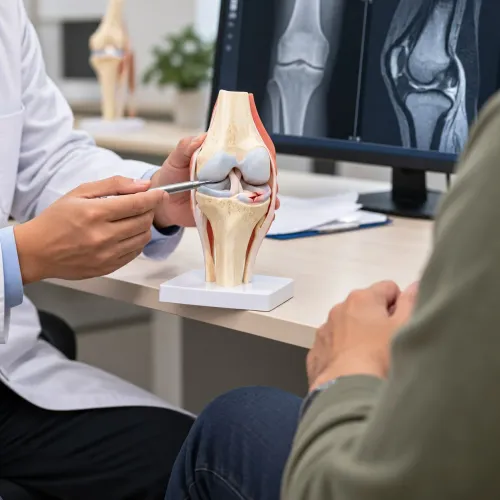
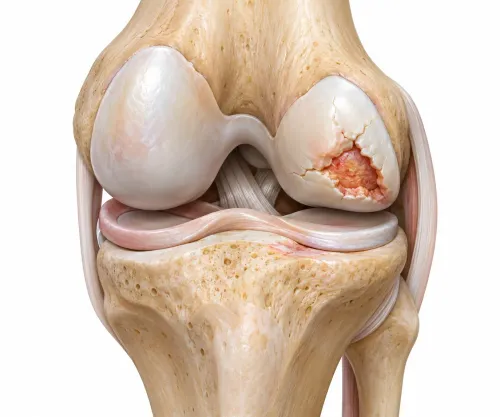
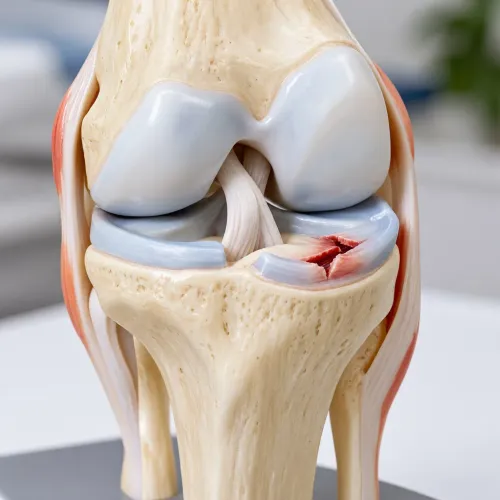
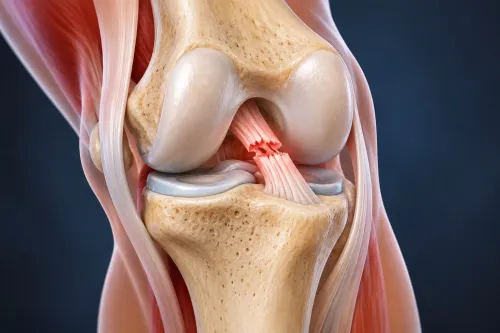
Being advised to consider Knee Replacement Surgery often raises many questions. Patients commonly wonder whether surgery is necessary, how recovery works, and what results they can realistically expect. Understanding the procedure helps individuals make informed decisions based on their symptoms and overall joint health.
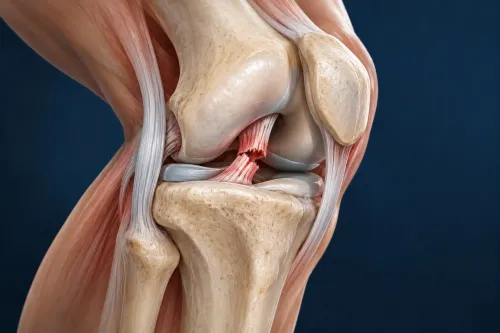
Knee replacement is generally recommended when arthritis or joint damage causes persistent pain and significantly affects daily life despite appropriate non-surgical treatment.
When Is Surgery Considered
Most patients first undergo conservative management before surgery becomes an option.
Common reasons include:
- Advanced osteoarthritis
- Persistent pain despite medication
- Difficulty walking
- Night-time discomfort
- Significant joint stiffness
- Reduced independence
- Progressive knee deformity
Each recommendation is based on individual clinical findings rather than age alone.
Understanding the Procedure
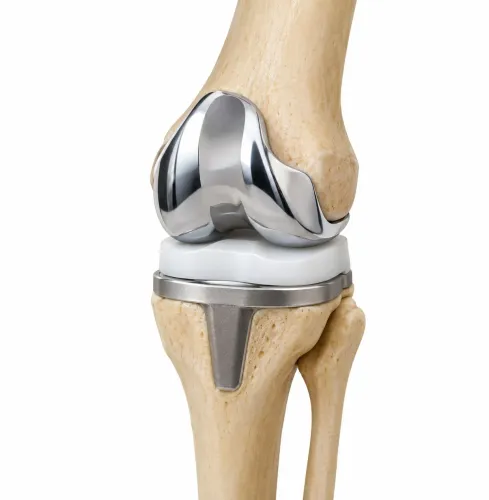
During knee replacement, damaged joint surfaces are replaced with artificial components designed to improve movement and reduce pain.
Implant selection depends on factors such as:
- Bone quality
- Joint alignment
- Activity level
- Overall health
- Severity of arthritis
The procedure is planned carefully to suit each patient's needs.
Preparing Before Surgery
Preparation plays an important role in successful recovery.
Patients may be advised to:
- Strengthen surrounding muscles
- Improve general fitness
- Manage diabetes if present
- Review medications
- Maintain a healthy weight
- Learn rehabilitation exercises
Good preparation supports smoother recovery after surgery.
Recovery After Knee Replacement
Recovery usually begins soon after the operation.
Rehabilitation often includes:
- Early assisted walking
- Range-of-motion exercises
- Muscle strengthening
- Balance training
- Functional rehabilitation
- Regular follow-up visits
Consistency with physiotherapy is essential for long-term improvement.
Expected Benefits
Many patients experience:
- Reduced pain
- Improved mobility
- Better walking ability
- Increased confidence
- Greater independence in daily activities
Results vary depending on overall health and commitment to rehabilitation.
People from Parel frequently seek specialist consultation when knee pain begins affecting work, household activities, and overall quality of life. Understanding all available treatment options allows patients to make informed decisions rather than delaying care unnecessarily.
Dr. Ronak Kothari evaluates each patient individually and recommends knee replacement only when appropriate after careful assessment and discussion of available treatment options.
Keywords