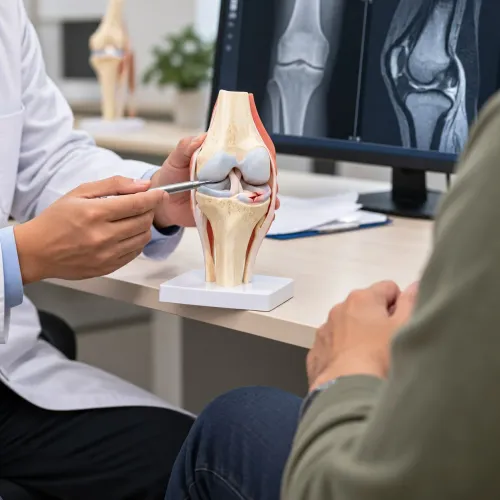
Knee pain is one of the most common reasons people limit their daily activities. While occasional discomfort after physical activity is normal, pain that continues for several weeks, interferes with walking, or affects everyday movement should not be ignored. Consulting a Knee Specialist can help identify the underlying cause before the condition worsens.
The knee is one of the largest and most complex joints in the body. It depends on healthy bones, cartilage, ligaments, tendons, and muscles working together. Damage to any of these structures can make simple activities like climbing stairs, getting out of a chair, or walking comfortably increasingly difficult.
Common Causes of Long-Term Knee Pain
Persistent knee pain can develop for several reasons, including:
- Osteoarthritis
- Rheumatoid arthritis
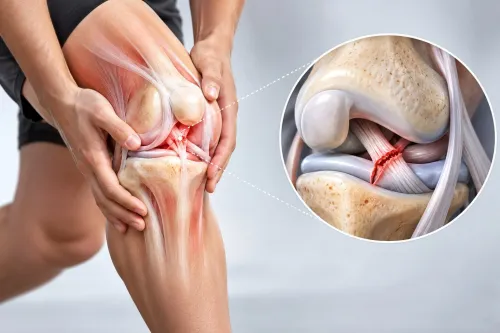
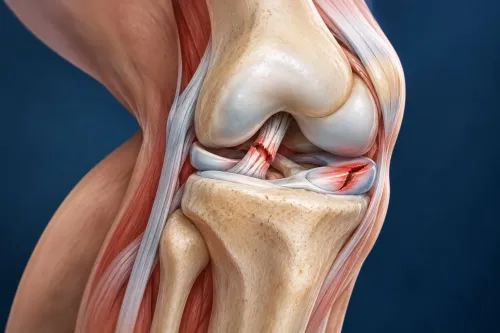
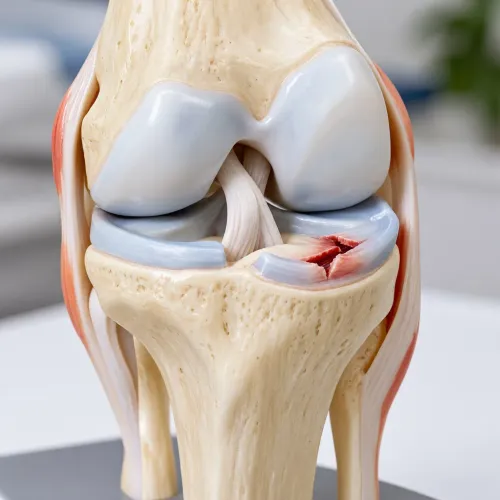
- Meniscus injuries
- ACL and ligament tears
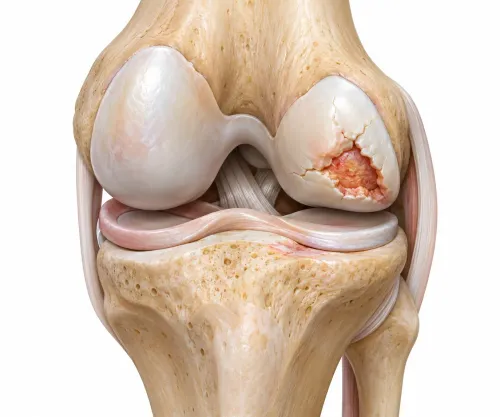
- Cartilage damage
- Patellar disorders
- Tendon inflammation
- Old untreated injuries
Each condition requires a different treatment approach, making an accurate diagnosis essential.
Symptoms That Should Not Be Ignored
Many people continue living with knee pain, assuming it is simply a part of ageing. However, certain signs indicate that professional evaluation is advisable.
Watch for symptoms such as:
- Pain lasting more than two to three weeks
- Swelling that keeps returning
- Difficulty bending or straightening the knee
- Locking or clicking sensations
- Instability while walking
- Pain that interrupts sleep
- Reduced ability to perform daily activities
Ignoring these symptoms may allow joint damage to progress further.
Why Early Evaluation Makes a Difference
An early diagnosis often allows treatment before the condition becomes more advanced.
A Knee Specialist may recommend:
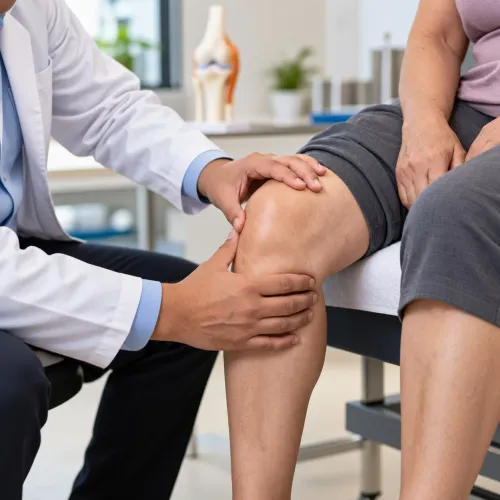
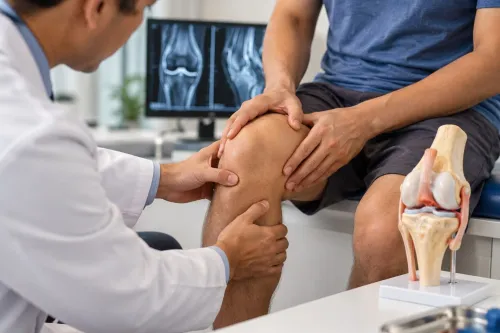
- A detailed physical examination
- Assessment of walking pattern
- Joint stability testing
- X-rays
- MRI scans when soft tissue injury is suspected
- Alignment evaluation
The goal is to understand the actual cause of pain instead of treating symptoms alone.
Many Patients Improve Without Surgery
Not every knee problem requires an operation. Depending on the diagnosis, treatment may include:
- Physiotherapy
- Weight management
- Activity modification
- Anti-inflammatory medicines
- Muscle strengthening
- Joint injections where appropriate
- Knee braces for selected conditions
Early intervention often improves pain while preserving natural joint function.
Everyday Habits That Support Healthy Knees
Maintaining knee health involves several simple lifestyle measures:
- Keep body weight within a healthy range.
- Strengthen thigh and hip muscles.
- Choose supportive footwear.
- Avoid sudden increases in exercise intensity.
- Stretch regularly.
- Address injuries promptly instead of delaying treatment.
These habits help reduce stress on the knee joint over time.
People experiencing persistent knee pain in Dadar often postpone medical evaluation until daily activities become difficult. Seeking timely assessment can help identify manageable conditions before they become more severe.
Dr. Ronak Kothari evaluates patients with knee injuries, arthritis, and other joint disorders through detailed clinical assessment and evidence-based treatment planning. Understanding the source of knee pain is the first step toward improving mobility and maintaining an active lifestyle.
Keywords