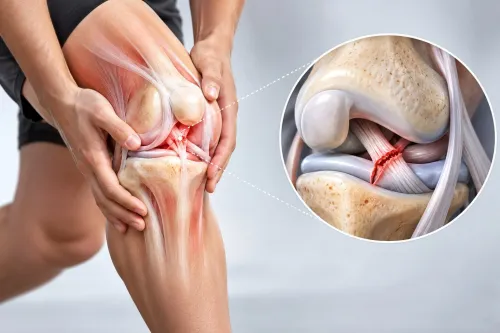
Persistent knee pain can gradually change the way a person walks, climbs stairs, works, exercises and even sleeps. For people with advanced arthritis, the question is often not simply how to control pain, but whether knee joint replacement surgery has become an appropriate treatment option.
Patients in Dadar and other parts of Mumbai, Maharashtra, commonly consider joint replacement when knee damage begins to interfere significantly with everyday mobility and conservative treatment no longer provides adequate relief.
When Knee Replacement May Be Considered
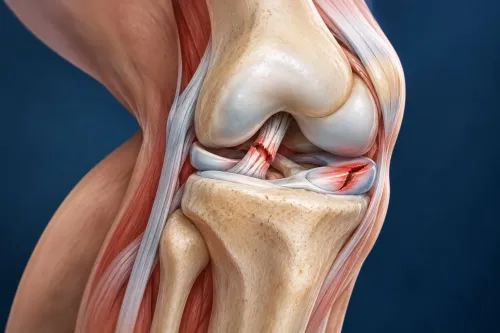
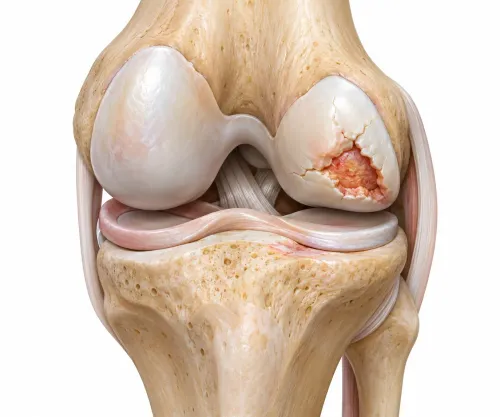
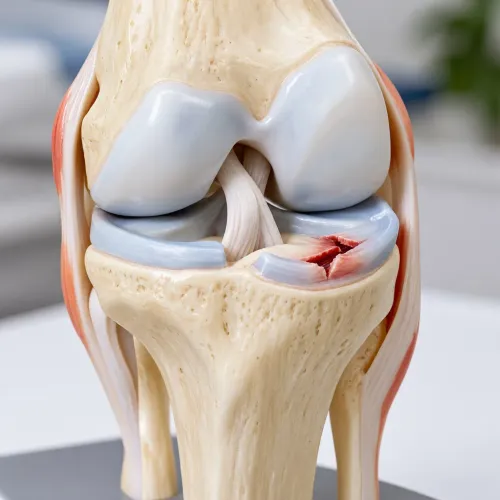
Knee replacement is generally evaluated when the joint has developed significant structural damage. Osteoarthritis is a common reason, although inflammatory arthritis, previous injuries and certain joint deformities may also contribute.
Signs that may lead to a surgical assessment include:
- Persistent knee pain during walking
- Difficulty climbing stairs
- Reduced ability to bend and straighten the knee
- Pain that affects sleep
- Increasing dependence on pain medication
- Significant stiffness after sitting
- Progressive bow-legged or knock-kneed alignment
- Reduced independence in everyday activities
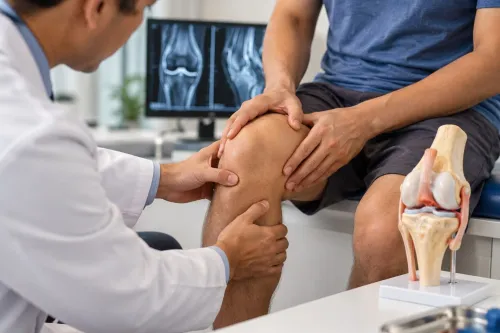
Surgery is not automatically recommended simply because an X-ray shows arthritis. Symptoms, examination findings, imaging, age, activity level, general health and response to previous treatments all influence the decision.
What Happens During Knee Joint Replacement Surgery
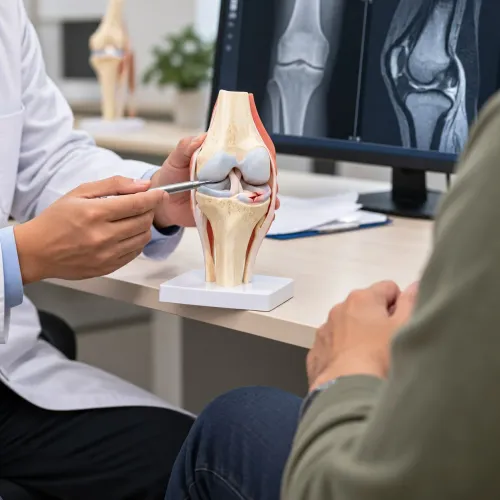
During knee joint replacement surgery, damaged joint surfaces are removed and replaced with prosthetic components designed to create a smoother, more stable joint surface. Depending on the pattern of arthritis, the surgeon may assess whether total knee replacement or another suitable joint-preserving approach is appropriate.
Modern planning techniques can help surgeons evaluate alignment, implant positioning and individual knee anatomy. Robotic-assisted technology may also be used in selected cases to support surgical planning and precision.
Recovery After Knee Replacement
Recovery varies between patients. Standing and assisted walking often begin relatively early under medical and physiotherapy supervision. The first few weeks typically focus on controlling swelling, improving knee movement and gradually increasing walking ability.
Many patients make meaningful functional progress over several weeks, while strength, confidence and endurance can continue improving for months.
Recovery depends on factors including:
- Preoperative muscle strength
- Age and overall health
- Severity of joint damage
- Surgical technique
- Physiotherapy participation
- Weight management
- Home exercise compliance
Benefits and Possible Risks
The intended benefits include reduced arthritis-related pain, improved mobility, better joint function and increased ability to perform routine activities.
Like any major operation, knee replacement also has potential risks. These can include infection, blood clots, stiffness, bleeding, persistent discomfort, implant-related problems and complications related to anaesthesia. Individual risk assessment is therefore an important part of surgical planning.
Preparing Before Treatment
Before surgery, patients may undergo blood tests, imaging and medical fitness assessment. Existing conditions such as diabetes and hypertension should be appropriately managed. Smoking cessation, weight management and preoperative strengthening may also support recovery where applicable.
Patients should discuss current medicines, supplements and previous medical conditions with their treating team rather than making medication changes independently.
Care After Surgery
Postoperative care commonly includes wound care, prescribed medication, physiotherapy, swelling management and a progressive walking programme. Patients should follow guidance about bathing, driving, stair use and return to work.
Dr. Ronak Kothari evaluates knee arthritis and joint replacement requirements based on the patient's symptoms, imaging, mobility limitations and overall health rather than relying on a single test.
Frequently Asked Questions
Is every painful arthritic knee treated with replacement
No. Medication, physiotherapy, activity modification, weight management, injections and other approaches may remain appropriate depending on arthritis severity and symptoms.
How long does recovery take
There is no identical recovery timeline for every patient. Early mobility can begin soon after surgery, while broader functional recovery usually develops progressively over the following weeks and months.
Can an artificial knee last permanently
Knee implants are designed for long-term use, but longevity varies with implant factors, activity, body weight and individual circumstances.
For patients in Dadar dealing with advanced knee arthritis, a detailed orthopaedic evaluation can help determine whether continued non-surgical management, knee preservation treatment or knee joint replacement surgery is the more suitable next step.
Keywords