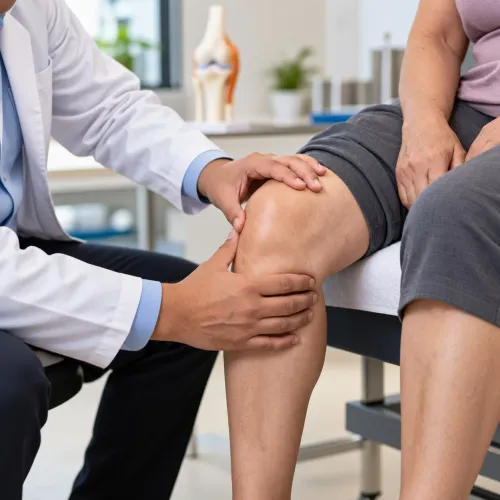
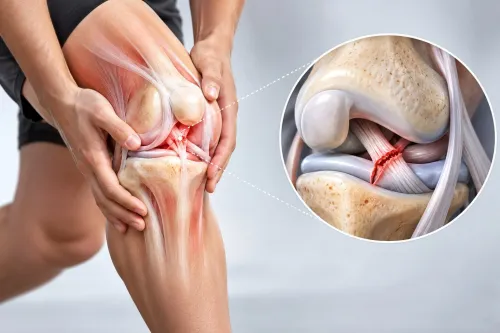
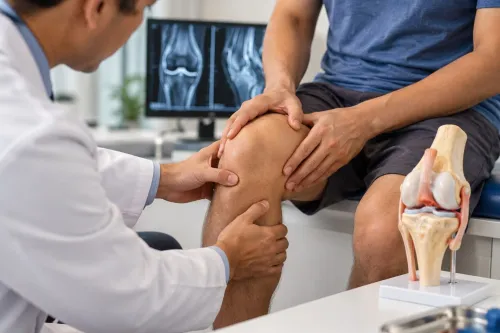
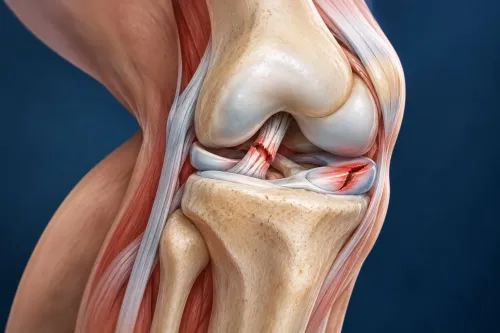
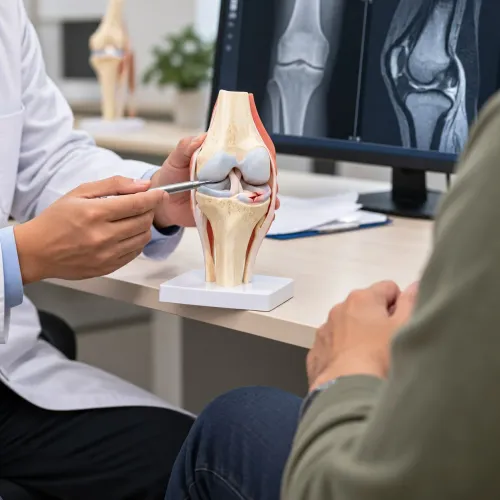
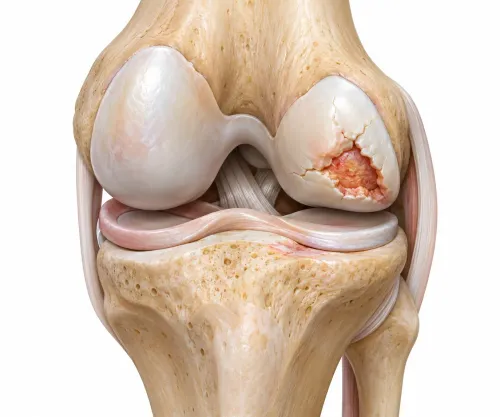
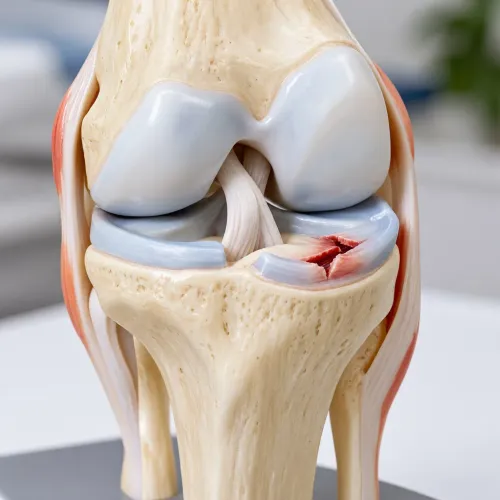
Whether you play competitive sports, visit the gym regularly, or simply enjoy an active lifestyle, injuries can happen unexpectedly. Sports Medicine focuses on preventing, diagnosing, treating, and rehabilitating injuries affecting muscles, ligaments, tendons, and joints. It is valuable not only for athletes but also for anyone who wants to recover safely and return to normal activity.
Many sports-related injuries develop gradually due to repetitive stress rather than a single accident, making early assessment particularly important.
Common Injuries Managed Through Sports Medicine
Frequently treated conditions include:
- ACL injuries
- Meniscus tears
- Shoulder instability
- Tennis elbow
- Runner's knee
- Achilles tendon injuries
- Muscle strains
- Ankle sprains
Prompt treatment helps minimise recovery time and lowers the risk of long-term complications.
Signs You Should Get Evaluated
Some symptoms indicate that self-care alone may not be enough.
These include:
- Persistent swelling
- Difficulty bearing weight
- Joint instability
- Recurrent injuries
- Limited range of motion
- Pain lasting beyond several days
- Locking or catching sensations
Ignoring these signs may increase the chance of repeated injury.
A Personalised Recovery Plan
Sports medicine begins with understanding exactly how the injury occurred.
Evaluation may involve:
- Medical history
- Physical examination
- Functional movement assessment
- Muscle strength testing
- Imaging studies when required
- Biomechanical evaluation
This information helps develop an individual rehabilitation programme.
Treatment Depends on the Injury
Recovery plans differ from one patient to another and may include:
- Physiotherapy
- Strength and conditioning
- Activity modification
- Flexibility exercises
- Medication
- Sports-specific rehabilitation
- Arthroscopic surgery when indicated
The focus is on restoring safe movement while preventing recurrence.
Reducing the Risk of Future Injuries
Simple preventive measures can significantly lower injury risk.
These include:
- Warming up properly
- Increasing exercise intensity gradually
- Maintaining muscle strength
- Wearing suitable footwear
- Taking adequate recovery time
- Following proper exercise technique
Good training habits benefit people of every age.
Individuals living in Andheri often participate in recreational sports, fitness programmes, and physically active lifestyles that place repeated stress on the knees and other joints. Early evaluation helps ensure injuries are managed before they interfere with long-term mobility.
Dr. Ronak Kothari provides comprehensive assessment and treatment for sports-related knee conditions, helping patients recover safely while supporting their long-term activity goals.
Keywords