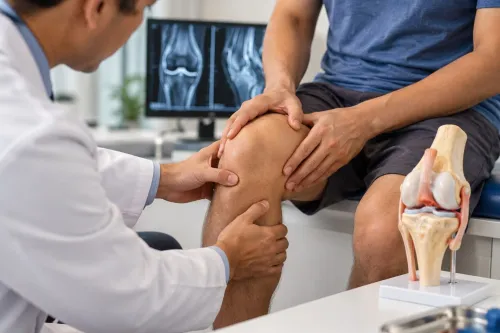
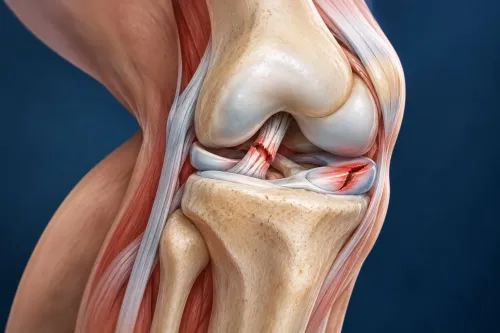
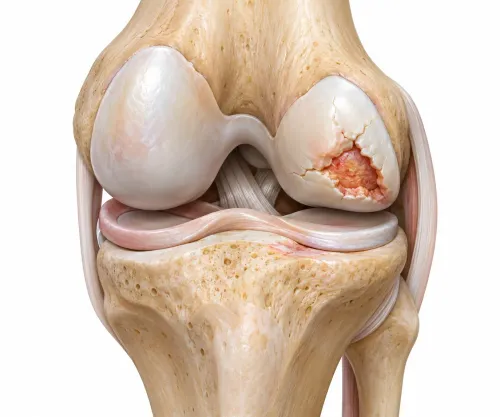
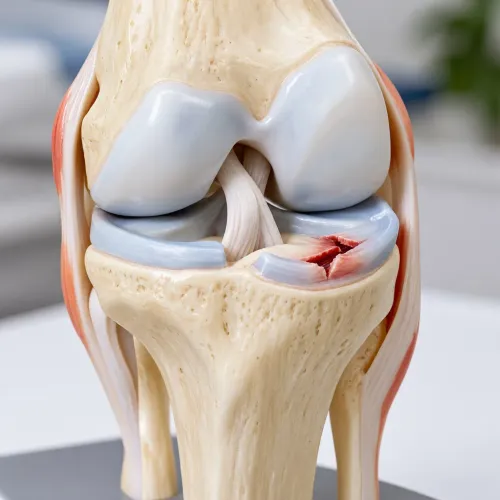
Living with severe knee arthritis can slowly change everyday habits in ways people rarely talk about openly. Some begin avoiding long walks completely. Others need support while standing up, and many quietly reduce social outings because continuous knee pain becomes physically draining. By the time patients consider surgery, the joint stiffness and reduced movement have often already affected their confidence and independence.
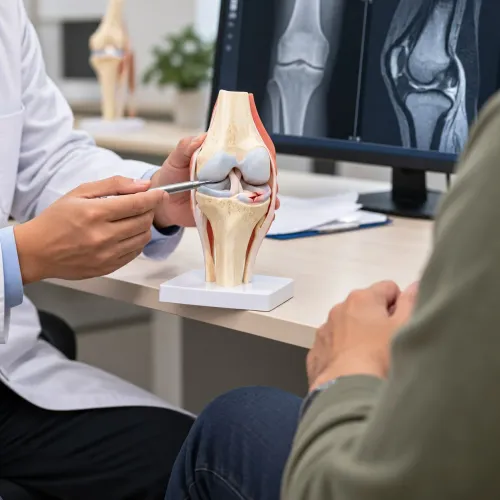
At Dr. Ronak Kothari in Lower Parel, robotic joint replacement surgery is used to support greater precision during knee replacement procedures. Robotic-assisted systems help surgeons plan alignment and implant positioning according to the patient’s individual knee structure, which may contribute to smoother movement and balanced joint function after surgery. The technology does not replace the surgeon, rather it assists in improving surgical accuracy during the procedure.
One reason many patients now ask specifically about robotic-assisted surgery is the growing awareness around recovery quality. People are not only concerned about pain relief anymore. They want to know how comfortably they may walk again, how stable the joint may feel, and how soon daily activities can become easier.
Knee arthritis usually develops gradually, which is why many individuals continue managing symptoms for years before seeking orthopedic care. But persistent stiffness, painful movement, disturbed sleep due to knee discomfort, or difficulty walking even short distances are often signs that the joint condition may need proper medical attention.
Modern orthopedic treatment approaches are becoming increasingly focused on preserving movement, supporting rehabilitation, and helping patients regain confidence in normal activity without unnecessary fear around surgery.
Patients considering robotic joint replacement surgery in Lower Parel can consult Dr. Ronak Kothari for detailed evaluation and treatment planning based on their mobility concerns, lifestyle needs, and knee condition.
Keywords