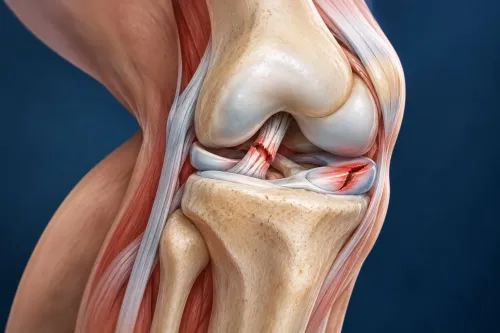
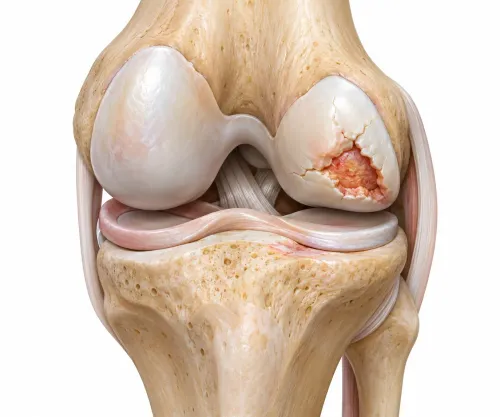
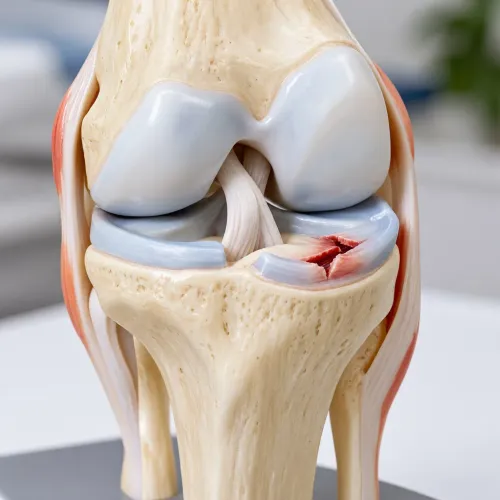
Advances in orthopaedic technology have made Robotic Knee Replacement an increasingly discussed option for patients with advanced arthritis. While the procedure still depends on the surgeon's expertise, robotic technology assists with planning and implant positioning, helping achieve greater surgical precision in appropriate cases.
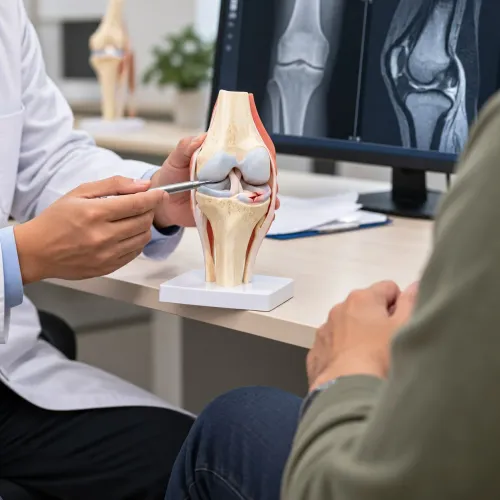
Understanding how robotic-assisted surgery works allows patients to make informed decisions during consultation.
How Robotic Assistance Supports Surgery
Robotic systems do not perform surgery independently.
Instead, they assist the surgeon by:
- Creating detailed surgical planning
- Analysing joint anatomy
- Improving implant positioning
- Supporting alignment accuracy
- Providing real-time guidance during surgery
The surgeon remains fully responsible for every step of the procedure.
Who May Be Suitable
Robotic knee replacement may be considered for patients with:
- Advanced knee arthritis
- Persistent pain despite treatment
- Significant stiffness
- Reduced mobility
- Functional limitations affecting daily life
Not every patient requires robotic assistance, making individual evaluation essential.
Potential Benefits
Depending on patient selection, robotic-assisted surgery may offer:
- Improved implant positioning
- Better joint alignment
- Preservation of healthy bone where appropriate
- Greater surgical precision
- Personalised operative planning
Clinical outcomes also depend on rehabilitation and overall health.
Recovery Still Requires Rehabilitation
Technology alone does not determine recovery.
Patients should expect:
- Physiotherapy
- Strengthening exercises
- Walking practice
- Balance training
- Regular medical follow-up
Active participation remains an important part of achieving good results.
Questions Worth Asking During Consultation
Before choosing robotic-assisted surgery, patients should understand:
- Whether they are suitable candidates
- The advantages compared with conventional surgery
- Recovery expectations
- Rehabilitation timeline
- Implant selection
A well-informed discussion supports confident decision-making.
Patients living in Ghatkopar often seek specialist advice after knee arthritis begins limiting independence and mobility. Understanding both conventional and robotic treatment options helps patients choose the approach most appropriate for their condition.
Dr. Ronak Kothari discusses every treatment option in detail, ensuring patients understand both the benefits and limitations of robotic knee replacement before making a decision.
Keywords