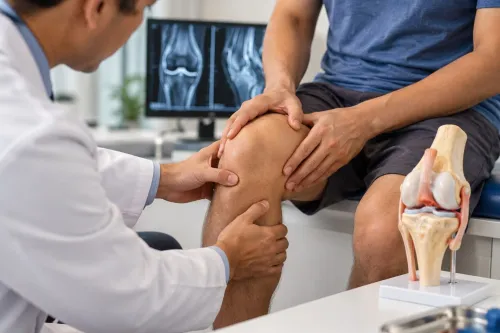
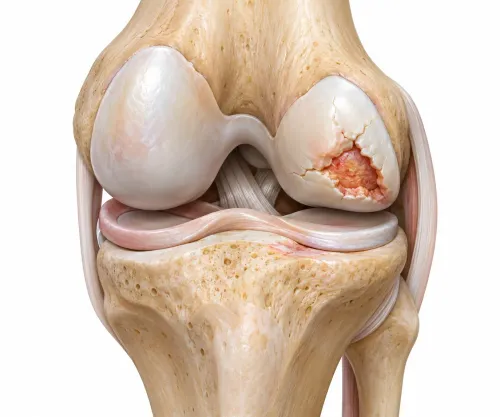
Choosing a Knee Replacement Surgeon is an important step for people whose knee pain has progressed beyond the point where medication, physiotherapy, and lifestyle changes provide meaningful relief. While surgery is not the first treatment option for arthritis, it may become the most appropriate choice when joint damage significantly affects mobility and quality of life.
A well-informed decision begins with understanding when knee replacement is recommended, what to expect during consultation, and how to evaluate a surgeon's experience.
When Is Knee Replacement Usually Recommended
Most patients undergo several non-surgical treatments before surgery is considered.
A surgeon may recommend knee replacement when patients experience:
- Severe arthritis confirmed through clinical evaluation and imaging
- Persistent pain despite conservative treatment
- Difficulty walking short distances
- Significant stiffness limiting daily activities
- Night-time pain that disrupts sleep
- Reduced independence in routine tasks
The recommendation depends on the patient's symptoms, overall health, activity level, and functional goals rather than age alone.
Qualities to Look for in a Knee Replacement Surgeon
Choosing a surgeon should involve more than simply searching online.
Important factors include:
- Experience in treating complex knee conditions
- Comprehensive clinical assessment
- Clear explanation of treatment options
- Individualised surgical planning
- Structured post-operative rehabilitation guidance
- Open discussion about benefits, risks, and expected recovery
Patients should feel comfortable asking questions before making any treatment decision.
Questions Worth Asking During Consultation
Preparing a few questions before your appointment can help you better understand your treatment plan.
You may ask:
- Is knee replacement the best option for my condition?
- Are there alternatives I should consider first?
- What type of implant is suitable for me?
- How long will rehabilitation take?
- When can I return to work or daily activities?
- What results can I realistically expect?
Clear communication builds confidence throughout the treatment journey.
Recovery Depends on More Than Surgery
Successful recovery involves teamwork between the surgeon, physiotherapist, and patient.
Recovery usually includes:
- Early assisted walking
- Progressive strengthening exercises
- Balance training
- Regular follow-up appointments
- Gradual return to normal activities
Following rehabilitation instructions is essential for improving mobility and function.
Making an Informed Decision
People living in Dadar often seek specialist consultation after knee arthritis begins interfering with work, household responsibilities, and social activities. A timely assessment allows patients to explore all available options before joint damage progresses further.
Dr. Ronak Kothari evaluates each patient individually, discussing both surgical and non-surgical treatments so that every decision is based on clinical findings, lifestyle requirements, and long-term joint health rather than a one-size-fits-all approach.
Keywords