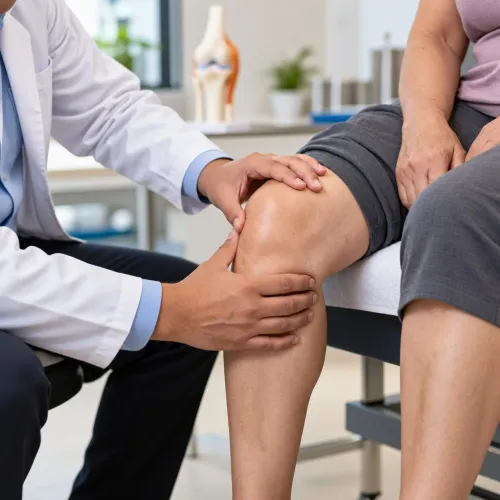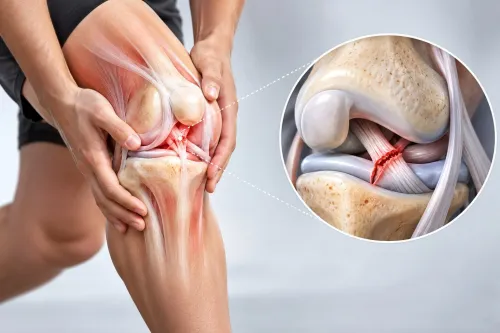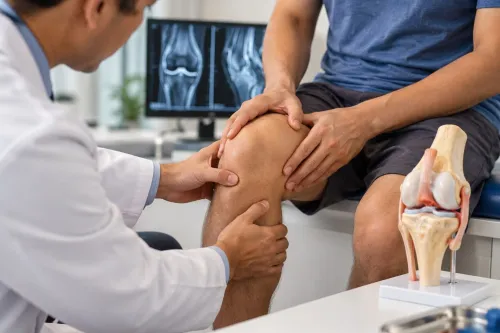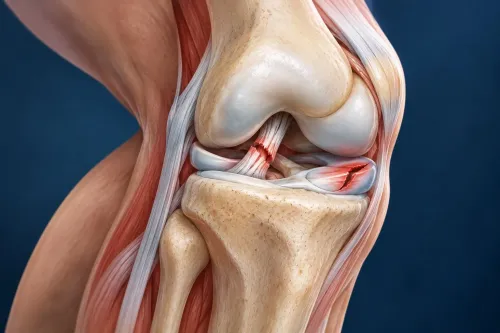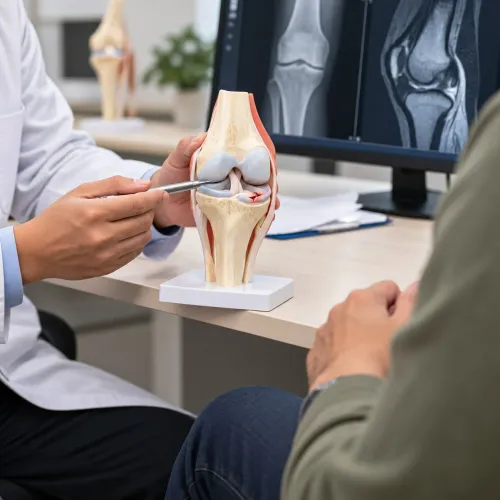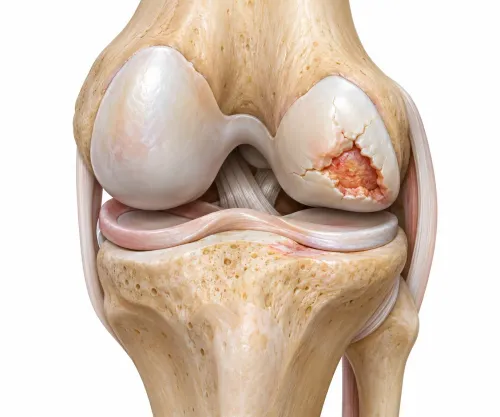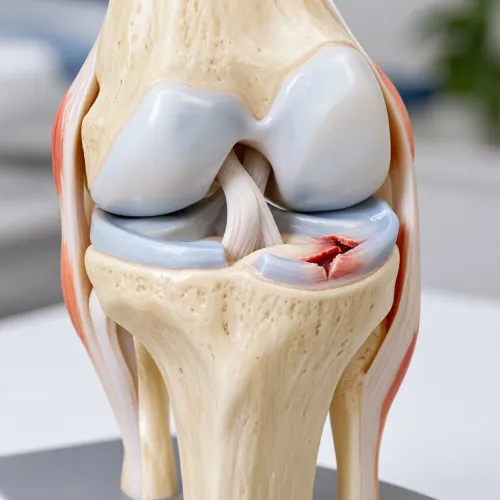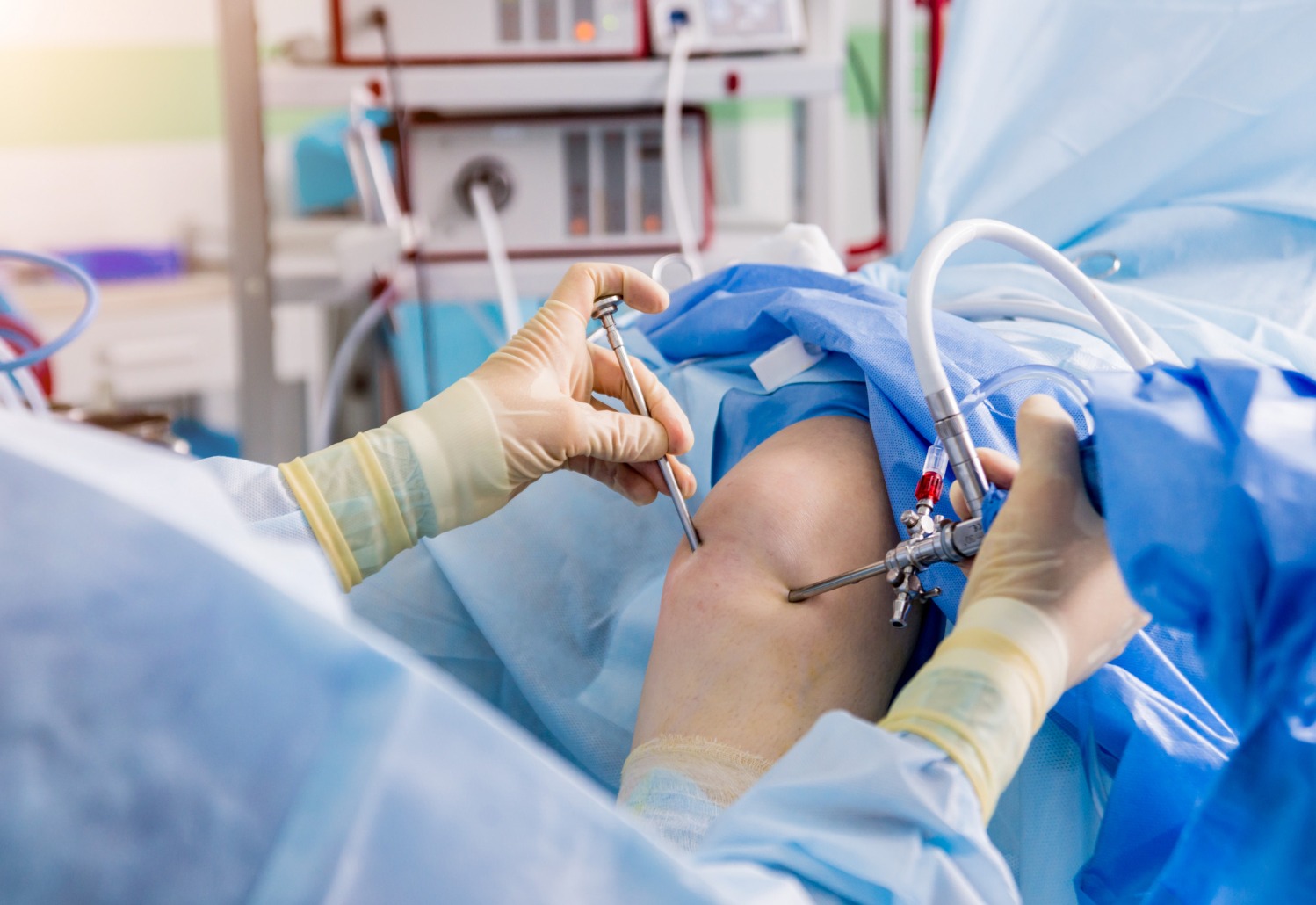
For an athlete, fitness enthusiast or physically active professional, knee treatment is rarely about becoming pain-free alone. The real goal is often regaining stability, strength, confidence and movement quality. When an injury is severe enough to require sports injury knee surgery, treatment planning should begin with the eventual return to activity in mind.
In Powai and across Mumbai, Maharashtra, recreational runners, football players, cricketers, gym enthusiasts and other active individuals can develop ACL tears, meniscus injuries, cartilage damage and complex combinations of these problems.
Which Sports Injuries May Need Surgery
Many knee injuries improve with rehabilitation. Surgery becomes more relevant when structural damage produces instability, mechanical locking or persistent functional limitation.
Conditions that may require surgical assessment include:
- ACL tears with functional instability
- Repairable meniscus tears
- Significant cartilage injuries
- Multiple ligament injuries
- Loose bodies causing mechanical symptoms
- Selected recurrent instability problems
The decision should be based on the injury and sporting requirements rather than the patient's desire for the fastest possible solution.
Treatment Should Match the Sport
Different sports place different demands on the knee. Straight-line running is not mechanically identical to football, badminton or basketball.
A surgeon therefore needs to understand the patient's desired activity level. Pivoting, jumping, sudden deceleration and contact movements may require higher levels of stability and neuromuscular control.
Surgery Is Only One Stage
An operation can repair or reconstruct damaged structures, but it does not instantly restore athletic performance.
Early rehabilitation typically focuses on swelling, movement and muscle activation. Strength training becomes progressively more demanding as healing allows.
Later stages can include:
- Single-leg strength work
- Balance training
- Landing control
- Running progression
- Direction-change drills
- Sports-specific movement
- Functional testing
Understanding Recovery Time
Recovery varies significantly according to the procedure. A limited arthroscopic procedure may allow relatively rapid functional progression, while meniscus repair, cartilage surgery and ligament reconstruction require longer biological healing.
Returning too early can place unnecessary stress on healing tissues. A calendar-based return date should therefore be combined with functional assessment.
Benefits of Structured Surgical Management
When appropriately indicated, surgery can restore stability, address mechanical symptoms and repair selected damaged structures.
A well-planned rehabilitation programme can then help rebuild the physical qualities required for sport.
Neither surgery nor rehabilitation can guarantee freedom from future injury. Technique, strength, training load and exposure to sport continue to matter.
Risks Athletes Need to Consider
Possible surgical risks include infection, stiffness, blood clots, continued pain, incomplete recovery and re-injury. Ligament grafts and repaired menisci can also sustain new injuries.
Athletes should understand these possibilities when setting return-to-play expectations.
Preoperative and Postoperative Planning
Before surgery, swelling reduction and restoration of movement may be priorities. Maintaining strength in unaffected muscle groups can also help.
After surgery, patients should follow restrictions related to weight bearing, range of motion and exercise progression. Sports drills should be introduced only when appropriate healing and physical readiness have been demonstrated.
Dr. Ronak Kothari evaluates sports-related knee injuries with attention to both the damaged structure and the patient's intended activity.
Frequently Asked Questions
Does every ACL tear in an athlete require surgery
No. Instability, sport type, associated injuries and individual goals influence the decision.
Can athletes return to their previous sport
Return may be possible after suitable treatment and rehabilitation, but individual outcomes vary and cannot be guaranteed.
Is absence of pain enough for returning to sport
No. Strength, stability, movement quality and functional performance also matter.
For active patients in Powai, sports injury knee surgery should be viewed as part of a complete recovery pathway. The objective is not merely getting back onto the field quickly, but returning with adequate healing, strength and knee control.
Keywords