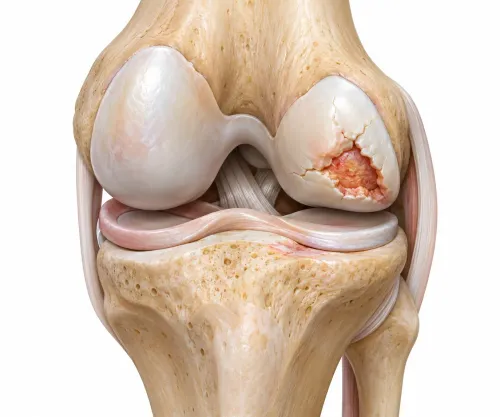
For patients living with advanced arthritis, Robotic Knee Replacement Surgery has become an increasingly recognised treatment option. Robotic-assisted technology supports surgeons by improving surgical planning and implant positioning while maintaining complete surgeon control throughout the procedure.
Understanding what robotic assistance actually does helps patients separate facts from common misconceptions.
How Robotic Assistance Works
A robotic system does not replace the surgeon.
Instead, it provides valuable support by:
- Creating a personalised surgical plan
- Analysing the patient's knee anatomy
- Assisting implant positioning
- Supporting alignment accuracy
- Providing real-time guidance during surgery
Every surgical decision remains under the surgeon's control.
Who May Be Considered
Robotic-assisted surgery may be suitable for patients with:
- Advanced osteoarthritis
- Severe knee pain
- Progressive stiffness
- Significant functional limitations
- Reduced quality of life despite conservative treatment
A detailed evaluation determines whether robotic assistance offers meaningful advantages.
Questions Patients Should Ask
Before proceeding, patients should discuss:
- Why robotic assistance is recommended
- Whether conventional surgery is also appropriate
- Recovery expectations
- Rehabilitation requirements
- Implant selection
- Possible risks and limitations
Well-informed patients are better prepared for treatment and recovery.
Recovery Still Depends on Rehabilitation
Although robotic technology supports surgical precision, recovery requires patient participation.
Rehabilitation usually involves:
- Physiotherapy
- Walking exercises
- Muscle strengthening
- Balance training
- Regular follow-up appointments
Consistent rehabilitation remains one of the most important contributors to successful outcomes.
Choosing Treatment Based on Individual Needs
Residents of Lower Parel often seek specialist advice after arthritis begins affecting work, exercise, and daily mobility. Understanding available treatment options allows patients to choose the most suitable approach for their specific condition rather than relying on assumptions.
Dr. Ronak Kothari carefully evaluates every patient before recommending robotic knee replacement surgery, ensuring treatment decisions are guided by clinical findings, overall health, and long-term functional goals.
Keywords