Knee replacement surgery specialist consultations often begin with one simple question, Do I really need surgery, or can this be managed another way? It’s a valid concern, especially when pain comes and goes, making the decision feel unclear.
In many cases, knee pain builds gradually. What starts as occasional discomfort may slowly turn into stiffness, reduced mobility, or difficulty performing daily tasks. When non-surgical treatments like medication, physiotherapy, or lifestyle changes no longer provide lasting relief, that’s usually when a specialist begins to evaluate surgical options more seriously.
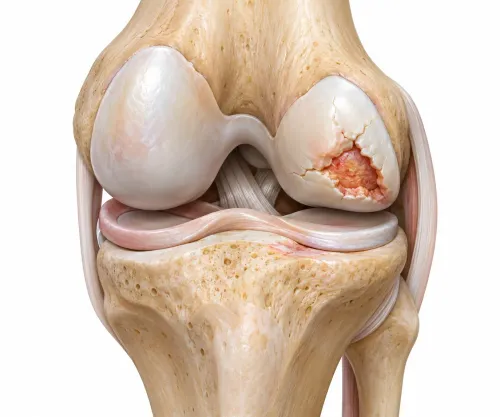
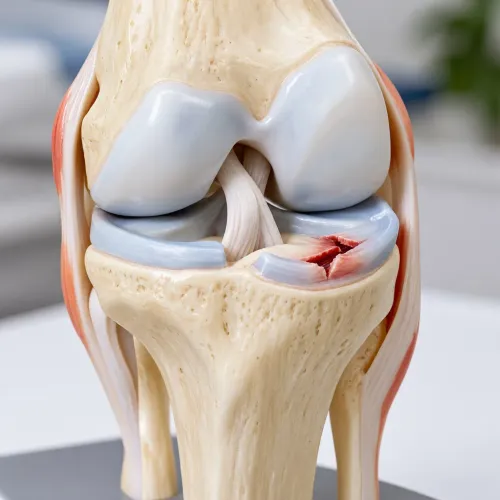
But here’s something many patients don’t realise, surgery is not decided based on pain alone. Joint damage, alignment issues, and how much the condition affects your quality of life are equally important. A knee replacement surgery specialist will typically assess movement, stability, and imaging reports before suggesting the next step.
Modern procedures, including computer assisted knee replacement, have made surgery more predictable and structured. These techniques aim to improve joint positioning and reduce complications, which can make recovery more manageable. Still, the goal is not just surgery, it’s restoring comfortable movement.
There’s no perfect time that fits everyone. But if knee pain is limiting your independence or stopping you from doing everyday activities, a consultation with Dr. Ronak Kothari in Lower Parel can help you evaluate the most suitable treatment options for your condition.
Keywords