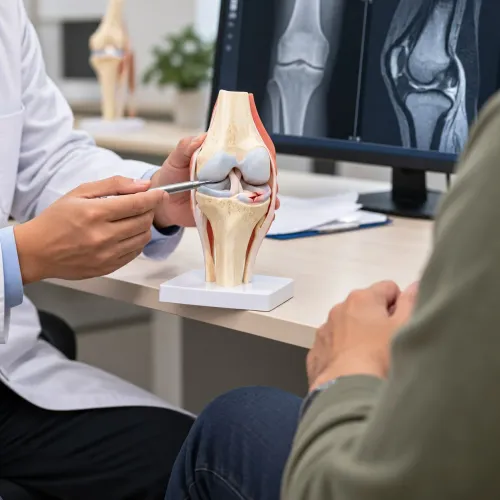
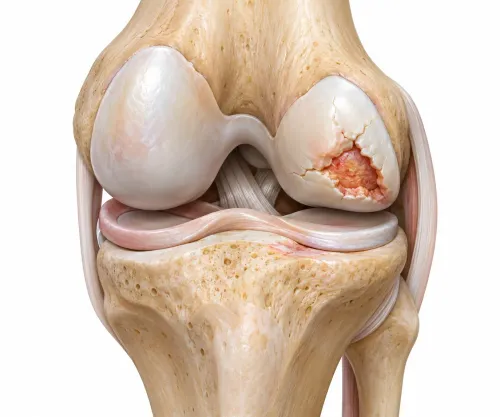
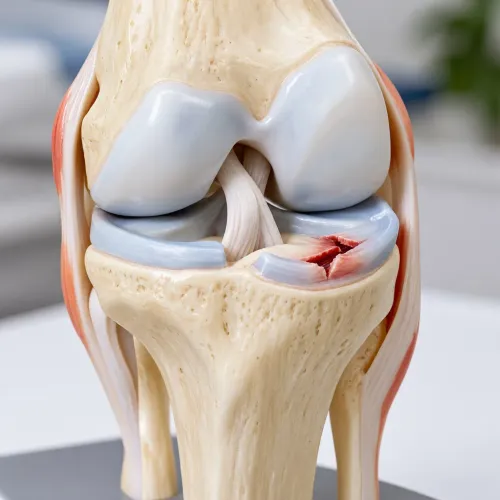
Joint pain does not always mean surgery is the only solution. In many cases, Joint Preservation Treatment can reduce symptoms, improve function, and slow the progression of joint damage. The primary objective is to protect the natural joint for as long as possible while maintaining an active lifestyle.
This approach is especially beneficial for younger adults, active individuals, and patients with early-stage arthritis or cartilage injuries.
What Is Joint Preservation
Joint preservation focuses on treating joint problems before severe degeneration develops.
It may involve:
- Correcting alignment issues
- Repairing cartilage injuries
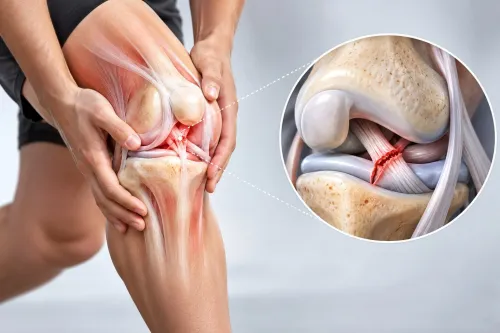
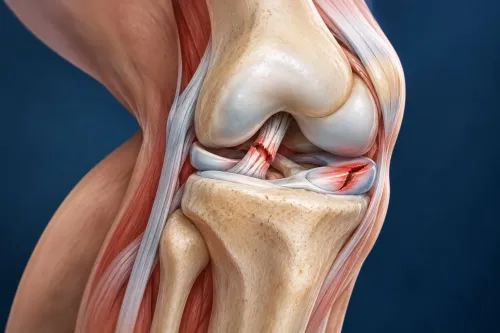
- Treating ligament damage
- Improving muscle strength
- Reducing inflammation
- Managing early arthritis
Every treatment plan is tailored to the patient's condition and activity level.
Who May Benefit
Joint preservation is commonly considered for patients with:
- Early osteoarthritis
- Cartilage defects
- Meniscus injuries
- Ligament instability
- Knee pain after sports injuries
- Mechanical alignment problems
Early intervention often provides more treatment choices.
Available Treatment Options
Depending on clinical findings, management may include:
- Physiotherapy
- Weight management
- Bracing
- Activity modification
- Injection therapies
- Arthroscopic procedures
- Corrective osteotomy in selected patients
The aim is to reduce pain while maintaining natural joint function.
Why Early Treatment Is Valuable
Waiting until joint damage becomes severe may reduce the number of available treatment options.
Early management can help:
- Slow disease progression
- Improve joint movement
- Delay joint replacement
- Maintain an active lifestyle
- Reduce long-term disability
Patients who seek care earlier often have more opportunities for conservative treatment.
Supporting Long-Term Joint Health
Healthy daily habits complement medical treatment.
These include:
- Regular low-impact exercise
- Maintaining healthy body weight
- Strengthening surrounding muscles
- Avoiding repetitive joint overload
- Treating injuries promptly
Small lifestyle changes can make a meaningful difference over time.
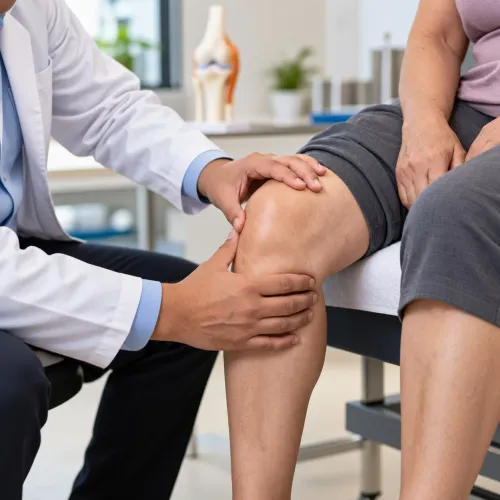
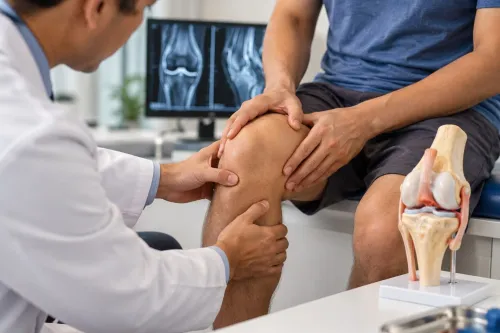
Many individuals in Lower Parel seek evaluation after noticing increasing knee discomfort during walking, exercise, or routine activities. Early diagnosis helps determine whether joint preservation strategies are appropriate before more advanced treatments become necessary.
Dr. Ronak Kothari assesses joint health comprehensively and recommends treatment based on the severity of the condition, functional goals, and long-term joint preservation whenever possible.
Keywords