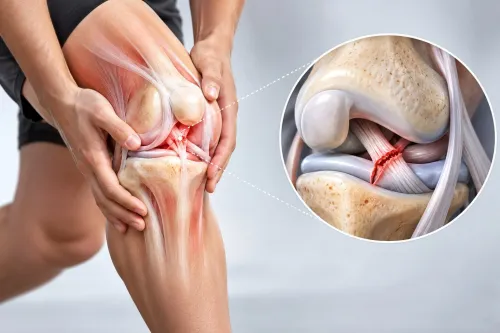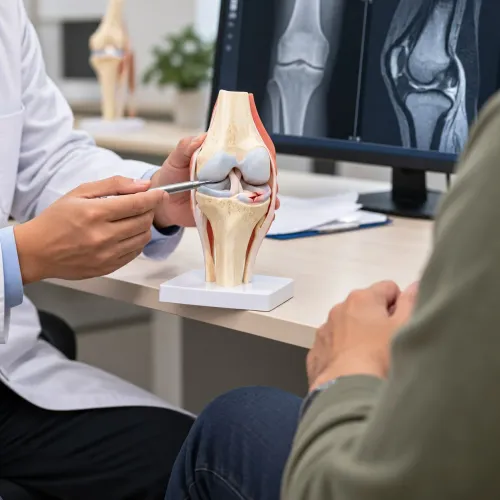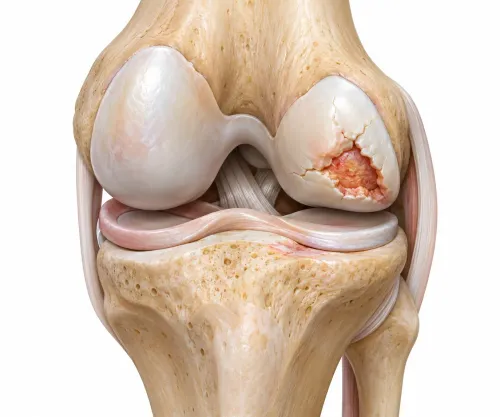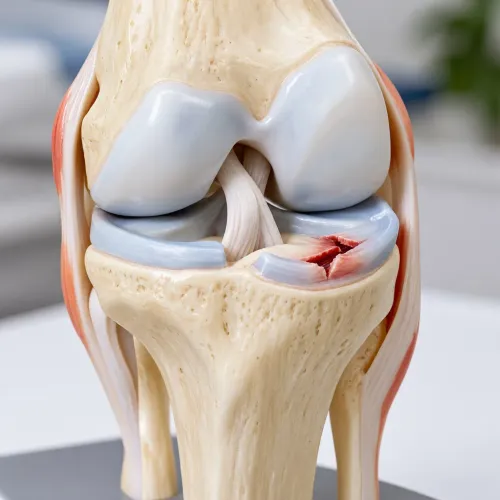
A painful knee does not always require joint replacement. In younger and active patients especially, pain may come from a meniscus injury, cartilage problem, loose body or another condition within the joint. In selected cases, knee arthroscopy surgery provides a minimally invasive method of examining and treating specific knee problems.
For patients around Parel in Mumbai, Maharashtra, understanding what arthroscopy can and cannot treat is important before considering the procedure.
Understanding Knee Arthroscopy
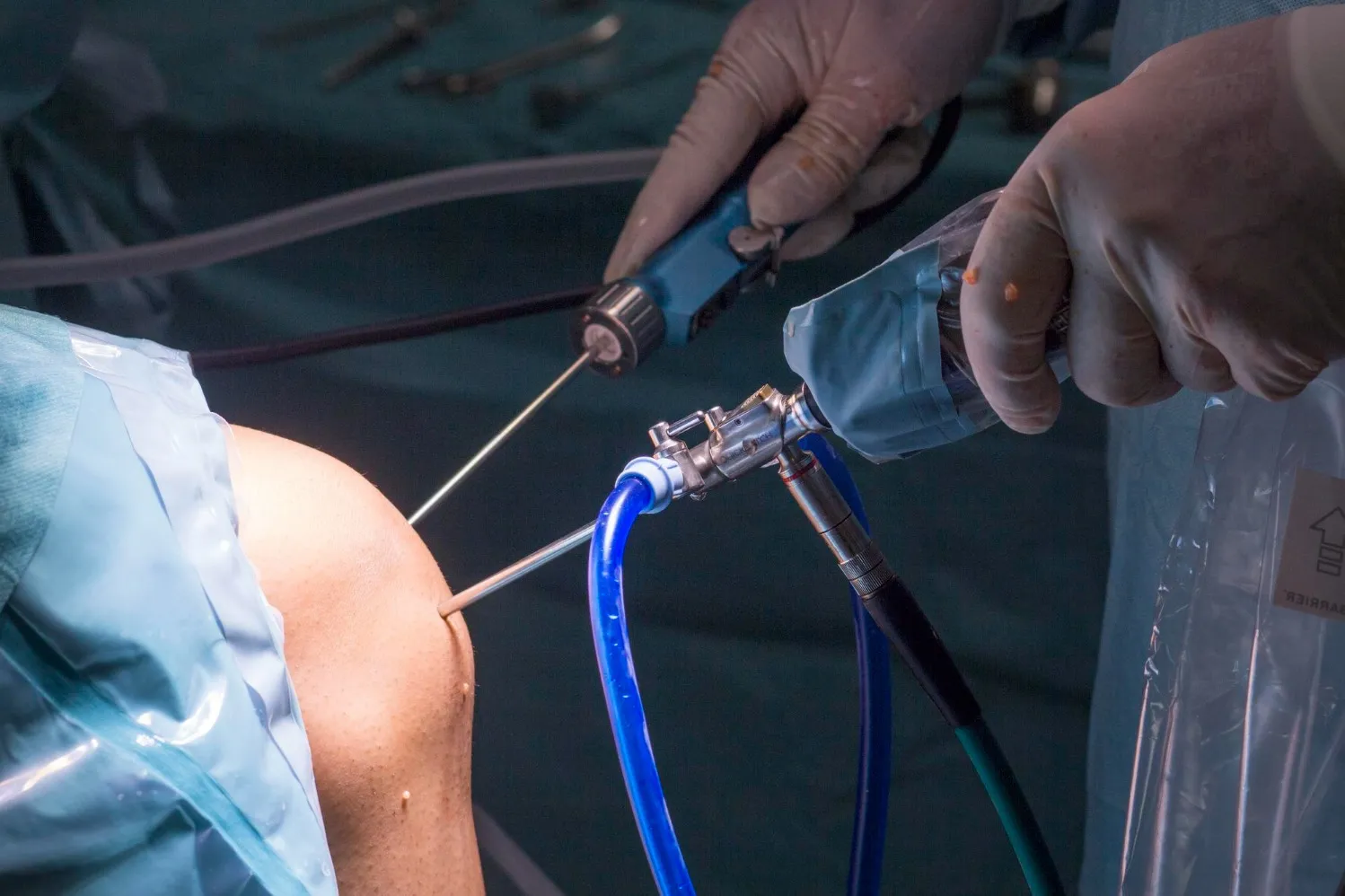
Knee arthroscopy is performed through small incisions. A narrow camera called an arthroscope allows the surgeon to view structures inside the knee on a monitor. Additional small instruments can then be introduced when treatment is required.
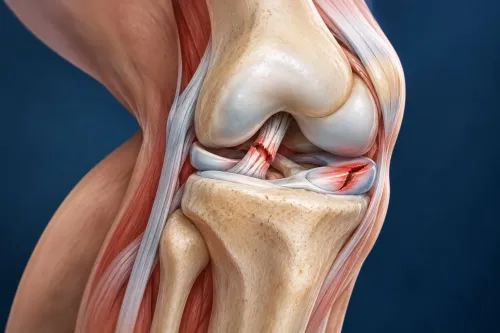
Depending on the diagnosis, arthroscopy may be considered for selected meniscus tears, cartilage injuries, loose fragments and certain ligament-related procedures.
It is important to understand that arthroscopy is not a universal treatment for every type of knee pain. In particular, patients whose symptoms mainly result from advanced osteoarthritis need careful assessment because arthroscopy may not address the underlying joint degeneration.
What Happens During the Procedure
The surgeon examines structures such as the meniscus, cartilage, ligaments and joint surfaces. Treatment depends on what has been identified through clinical examination and imaging.
Possible arthroscopic procedures may include:
- Meniscus repair in suitable tears
- Removal of unstable damaged tissue when indicated
- Treatment of selected cartilage lesions
- Removal of loose bodies
- Assessment of internal knee structures
- Ligament reconstruction procedures
The exact procedure should be determined before surgery as far as possible, although arthroscopic findings can sometimes provide additional information.
Recovery Following Arthroscopy
Recovery depends heavily on what is performed inside the knee. A relatively limited procedure may have a shorter rehabilitation period than meniscus repair, cartilage repair or ligament reconstruction.
Patients may initially experience swelling, stiffness and discomfort around the surgical sites. Walking instructions and weight-bearing restrictions vary according to the procedure.
Physiotherapy can focus on restoring movement, reducing swelling, rebuilding muscle strength and improving knee control.
Potential Benefits
When used for the correct indication, arthroscopy provides several practical advantages. Small incisions generally mean less soft-tissue disruption than traditional open surgery. It also provides direct visualisation of internal knee structures.
The goal, however, is not simply to perform a minimally invasive operation. The procedure needs to address the actual cause of symptoms.
Risks Patients Should Understand
Potential complications include infection, bleeding, blood clots, stiffness, continued symptoms, nerve or blood vessel injury and anaesthesia-related complications. Some patients may also continue experiencing pain when underlying cartilage degeneration remains significant.
Preparing for Knee Arthroscopy
Patients should provide complete information about medicines, allergies, previous operations and medical conditions. Preoperative instructions may include fasting and temporary medication adjustments under medical guidance.
Planning transport and arranging help at home can also be useful, particularly when temporary walking aids are expected.
Care During Rehabilitation
Keeping the wound clean and following dressing instructions are important during the early phase. Prescribed exercises should be performed as advised rather than progressing aggressively without guidance.
Increasing pain, significant swelling, fever, wound discharge, calf pain or unusual shortness of breath requires prompt medical attention.
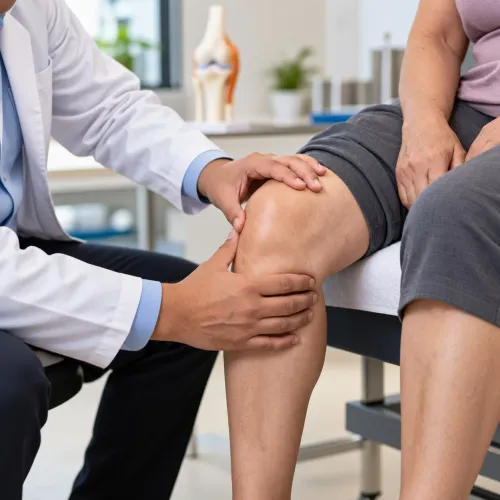
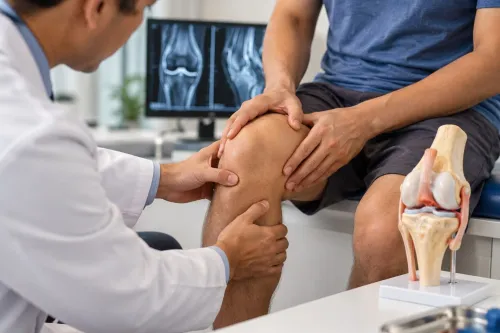
Dr. Ronak Kothari assesses whether knee arthroscopy surgery is appropriate based on symptoms, physical examination, imaging and the specific structure causing the problem.
Frequently Asked Questions
Is arthroscopy suitable for arthritis
It may have limited indications in an arthritic knee. Advanced degenerative arthritis generally requires a different treatment strategy.
When can normal walking resume
The timeline depends on the procedure performed. Some patients progress relatively quickly, while repairs and reconstructions may require protected weight bearing.
Does arthroscopy leave a large scar
Arthroscopy is typically performed through small incisions, although incision number and size depend on the procedure.
For people in Parel experiencing persistent knee symptoms, establishing an accurate diagnosis is the key first step. Knee arthroscopy surgery has the greatest value when there is a clearly defined problem that can reasonably be addressed through an arthroscopic technique.
Keywords