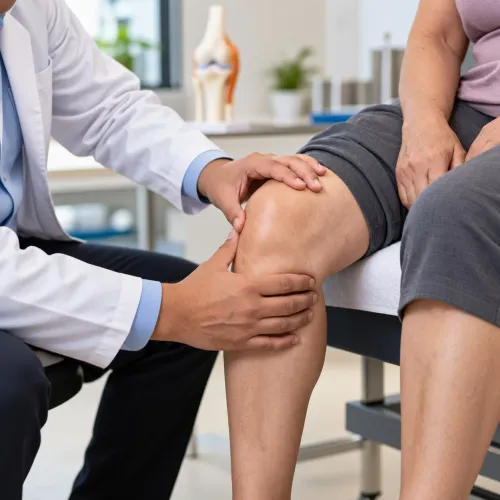
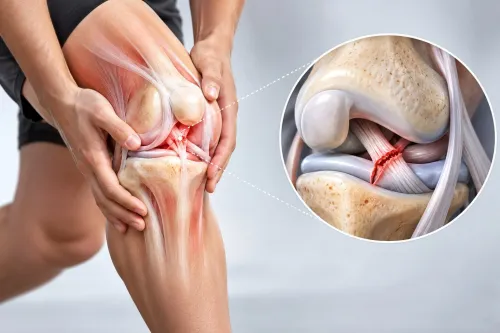
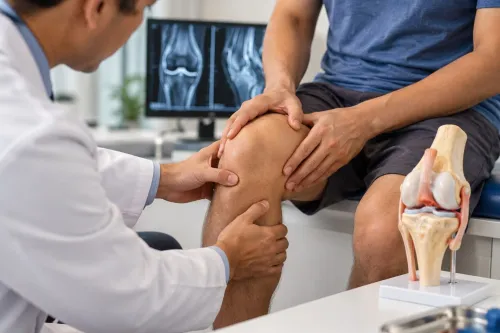
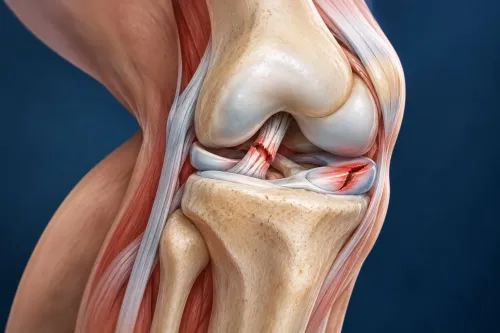
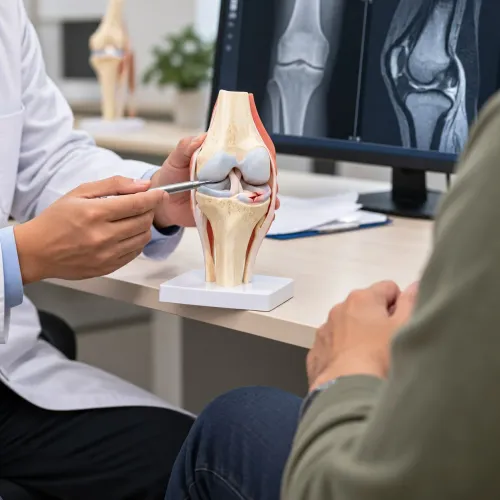
Living with Arthritis Knee Pain can make everyday activities increasingly difficult. Walking, climbing stairs, standing for long periods, and even getting up after sitting may become uncomfortable. Although arthritis is more common with advancing age, it is not something people simply have to accept without exploring treatment options.
Understanding the type and severity of arthritis is the first step towards managing pain effectively and maintaining an active lifestyle.
Understanding Why Arthritis Develops
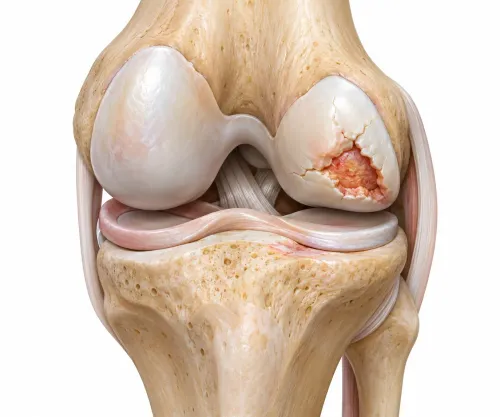
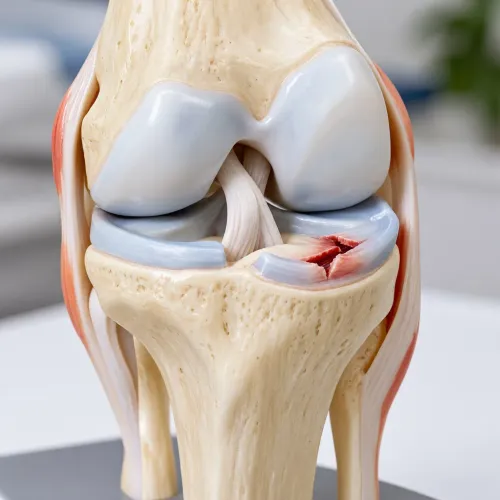
The knee joint is covered with smooth cartilage that allows bones to move freely. Over time, this cartilage may wear down, causing friction, inflammation, and pain.
Common causes include:
- Age-related cartilage wear
- Previous knee injuries
- Excess body weight
- Rheumatoid arthritis
- Joint deformities
- Family history of arthritis
The severity of symptoms varies from person to person, making professional evaluation important.
Symptoms That Suggest Arthritis
Many patients notice symptoms developing gradually over several months or years.
Common signs include:
- Pain during walking
- Morning stiffness
- Swelling around the knee
- Grinding sensations
- Difficulty climbing stairs
- Reduced flexibility
- Pain after prolonged sitting
Ignoring these symptoms may allow joint damage to progress.
Non-Surgical Treatment Options
Many patients achieve meaningful improvement without surgery, particularly when arthritis is diagnosed in its earlier stages.
Treatment may include:
- Physiotherapy
- Weight management
- Anti-inflammatory medication
- Lifestyle modifications
- Strengthening exercises
- Knee braces
- Injection therapy when clinically appropriate
The objective is to reduce pain while preserving joint function.
When Surgery Becomes a Consideration
If pain continues despite appropriate conservative treatment and daily activities become significantly limited, surgical treatment may be discussed.
Factors considered include:
- Degree of cartilage damage
- Functional limitations
- Overall health
- Age
- Response to previous treatments
The decision is always individualised rather than based solely on X-ray findings.
Protecting Your Knees Every Day
Several habits help reduce stress on arthritic knees.
These include:
- Maintaining a healthy weight
- Choosing low-impact exercise
- Strengthening thigh muscles
- Wearing supportive footwear
- Avoiding prolonged kneeling
- Staying physically active within comfort limits
Small changes often contribute to better long-term joint health.
Many people in Lalbaug continue living with arthritis knee pain because they assume discomfort is a normal part of ageing. Seeking timely medical advice allows patients to understand available treatment options before mobility becomes severely affected.
Dr. Ronak Kothari evaluates arthritis based on clinical examination and imaging findings, helping patients choose evidence-based treatments suited to their symptoms, activity level, and long-term joint health.
Keywords