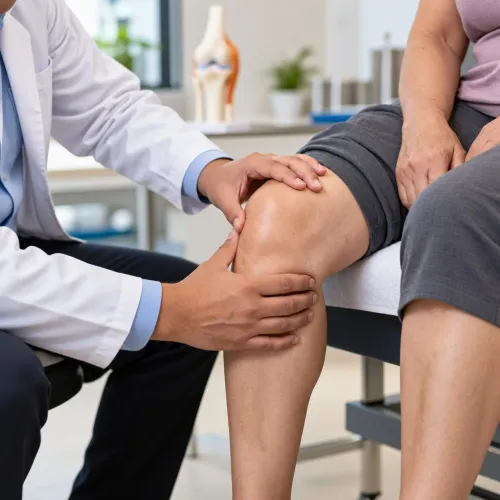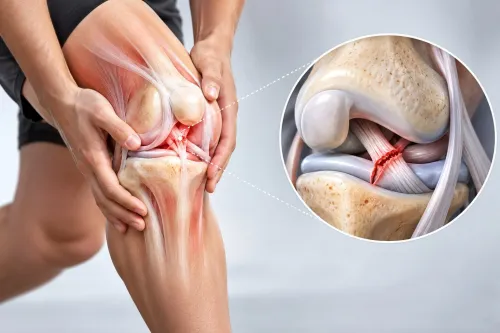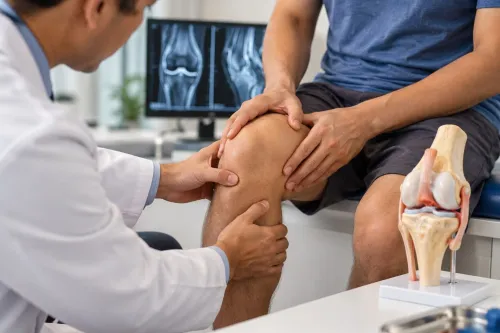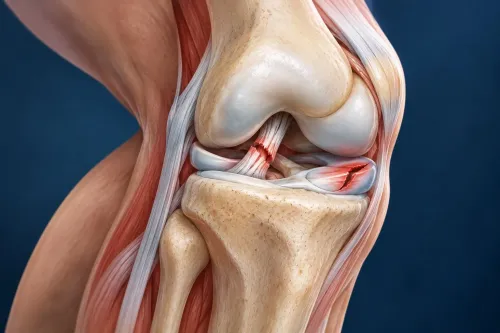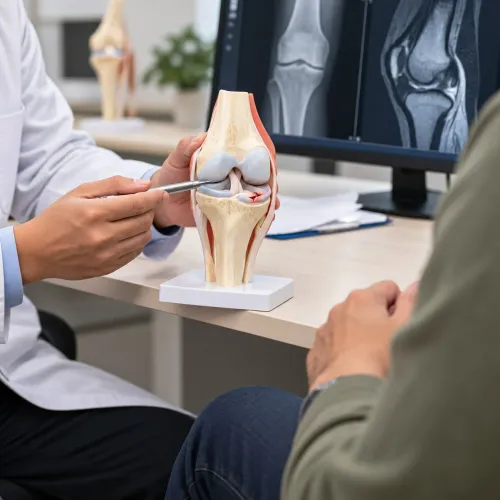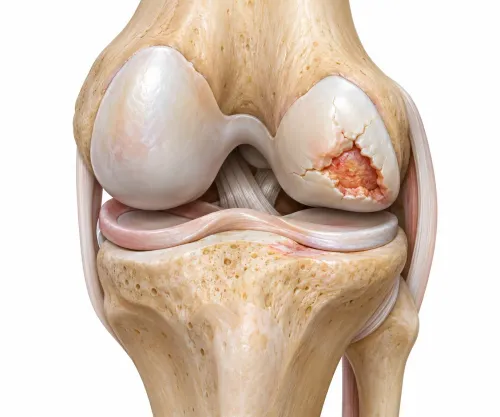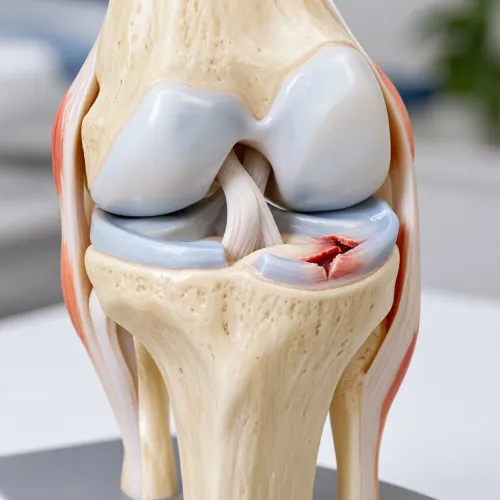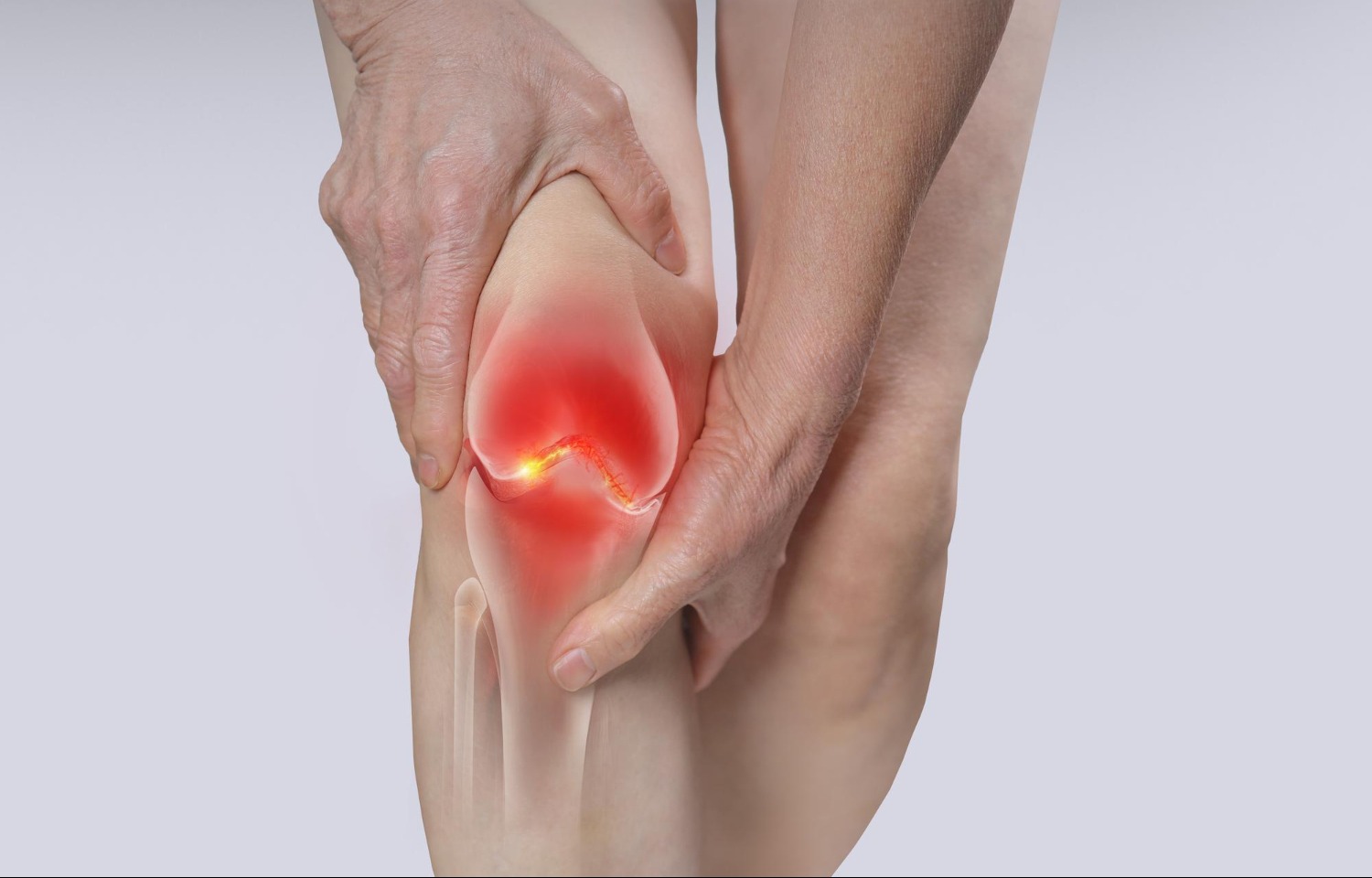
A meniscus tear can cause pain while squatting, turning, climbing stairs or getting up from a low chair. Some people also experience swelling, clicking or a sensation that the knee is catching. The appropriate meniscus tear treatment depends on the tear pattern, location, symptoms, age of the injury and condition of the surrounding knee.
For patients in Sakinaka and across Mumbai, Maharashtra, this means that two apparently similar meniscus injuries may require very different treatment plans.
Why the Type of Meniscus Tear Matters
The meniscus is a shock-absorbing structure between the thigh bone and shin bone. It also contributes to joint stability and load distribution.
Tears can occur after a sudden twisting injury or develop gradually as tissue changes with age.
MRI findings can describe the tear pattern and location, but imaging should be interpreted alongside symptoms and examination findings.
When Non-Surgical Treatment May Help
Not every meniscus tear needs an operation. Conservative management may be suitable when symptoms are manageable and there is no significant mechanical obstruction.
Treatment can include activity modification, appropriate pain management and physiotherapy.
Rehabilitation may focus on:
- Improving knee movement
- Strengthening the quadriceps
- Strengthening hip muscles
- Improving balance
- Gradually restoring activity
The response should be monitored rather than assuming that every MRI-detected tear requires surgery.
When Arthroscopic Treatment May Be Evaluated
Surgery may be discussed when symptoms remain significant despite appropriate conservative care, the knee repeatedly locks, a repairable traumatic tear is present or another ligament injury requires surgical treatment.
Whenever clinically suitable, preserving meniscus tissue can be valuable because the meniscus contributes to long-term knee function.
A repair generally requires more protected rehabilitation than a procedure that removes only unstable damaged tissue.
Recovery Depends on the Treatment
Patients managed without surgery may progress through strengthening and functional rehabilitation according to symptoms.
Following arthroscopic treatment, recovery differs substantially based on the procedure. Meniscus repair requires biological healing, so weight-bearing and knee bending may be restricted during certain stages.
Returning to running and sports should therefore follow individual rehabilitation milestones.
Benefits and Risks of Surgical Management
Appropriate surgical treatment may reduce mechanical symptoms and help restore knee function in selected patients.
Risks can include infection, blood clots, stiffness, persistent symptoms and anaesthesia-related complications. Removing meniscus tissue can also change load distribution within the knee, which is one reason tissue preservation is considered when feasible.
Preparing for Treatment
Before deciding on surgery, patients should understand:
- The exact tear pattern
- Whether the tear is likely to be repairable
- The condition of the knee cartilage
- Whether an ACL injury is also present
- Expected rehabilitation restrictions
- Time needed before demanding activity
Dr. Ronak Kothari assesses meniscus injuries based on clinical findings, imaging, mechanical symptoms and the patient's functional requirements.
Frequently Asked Questions
Can a meniscus tear heal naturally
Some tears have greater healing potential than others because blood supply differs across meniscus regions. Tear location, size, pattern and patient factors all matter.
Does clicking always mean a meniscus tear
No. Clicking can occur for several reasons. Persistent painful clicking, locking and swelling should be clinically evaluated.
Can exercise make the tear worse
Appropriate rehabilitation can be beneficial, but twisting and high-load activities may need temporary modification depending on the injury.
For patients in Sakinaka, choosing meniscus tear treatment should begin with identifying the tear's clinical significance. The goal is not simply to treat an MRI report, but to preserve knee function while addressing the symptoms that genuinely limit everyday activity.
Keywords